






























A home is a shelter for us from various external elements, including extreme weather. One of the main challenges faced by homeowners is protecting the building structure from moisture and damage caused by rainwater. The rainy season often brings a high risk of leaks in residential buildings. That's why the use of anti-leak coating paint becomes very important at these times.
Anti-leak coating paint is a smart solution to maintain the integrity and durability of a home against extreme weather changes. This article will explain the benefits, application areas, and application process of anti-leak coating paint to protect the homes of Avian Brands Friends.
Benefits of Anti-Leak Coating Paint- Resistance to Rainwater
Anti-leak coating paint is specifically designed to address leakage problems caused by rain. By providing an additional layer of protection on wall and roof surfaces, this paint prevents water from seeping into the house's building structure.
- Prevents Structural Damage
Moisture seeping into walls or roofs can cause serious structural damage. Anti-leak coating paint helps prevent wood rot, metal corrosion, and mold growth that can damage the house's building structure.
- Protection from Extreme Weather
Homes are often exposed to extreme weather such as heat, cold, and heavy rain. Anti-leak coating paint provides additional protection against these extreme weather changes, helping to extend the lifespan of the building.
Parts of the House That Need Anti-Leak Coating Paint- Roof
The use of anti-leak coating paint on house roofs can prevent leaks that often occur at roof joints or small cracks that may appear over time.
- Walls
Anti-leak coating paint can be applied to walls to prevent rainwater from seeping into the structure. It also helps maintain the color and aesthetics of the walls.
- Foundation
The foundation of a house is very susceptible to soil moisture. Applying anti-leak coating paint to the foundation can prevent leaks and ensure the solidity of the foundation.
Also Read: 5 Parts of a House Prone to Leaks and Seepage
How to Apply Anti-Leak Coating Paint- Surface Preparation
The surface to be coated must be free of dust, dirt, and old paint. Good surface preparation is a key step to ensure good adhesion between the coating paint and the substrate.
- Primer Application
Before applying anti-leak coating paint, the use of a primer is recommended to improve adhesion and paint performance. The primer also helps seal surface pores and prevent leaks.
- Application of Anti-Leak Coating Paint
Anti-leak coating paint can be applied with a brush, roller, or spray, depending on preference and surface type. Ensure to apply the paint evenly and ensure every area is well-coated.
After application is complete, it is important to periodically check the condition of the coating paint and perform maintenance if damage or wear is found. Regular maintenance will ensure optimal performance of the anti-leak coating paint.
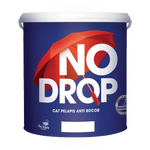
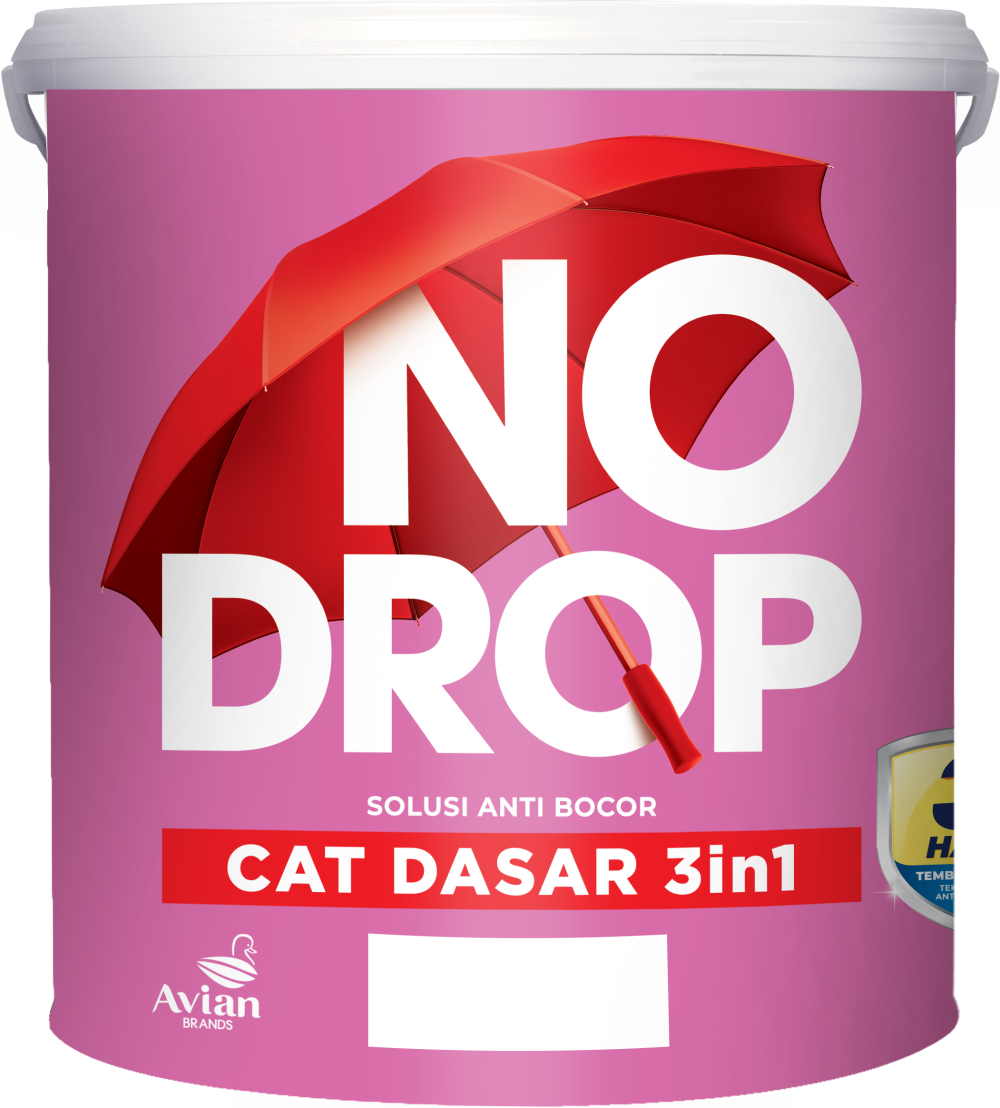
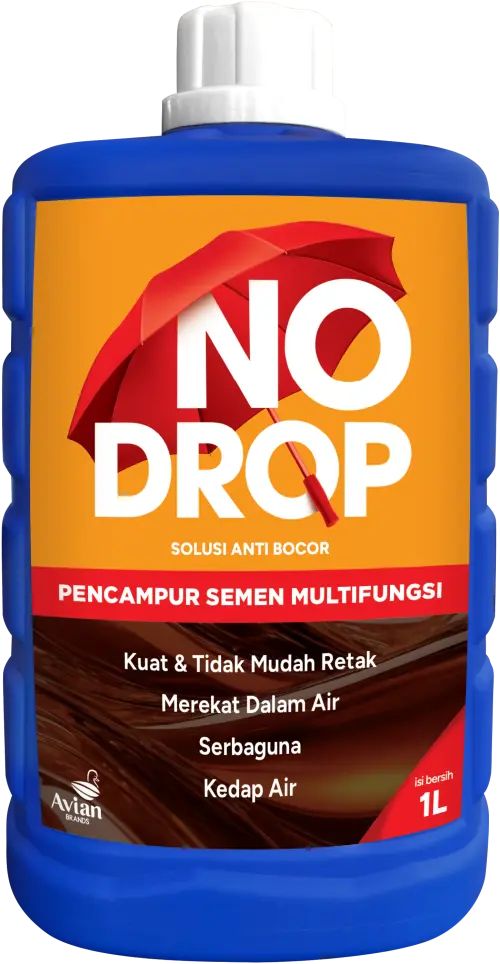
The rainy season at the beginning of 2024 is the right time to rely on the No Drop anti-leak coating paint solution from Avian Brands. Its elastic, weather-resistant, and waterproof properties make No Drop highly suitable for application on areas of the house prone to leaks such as roofs, walls, foundations, concrete slabs, and gutters. No Drop's anti-leak protection lasts up to 7 years, providing peace of mind from worries caused by leaky and seeping homes. No Drop is available in tens of thousands of colors and is available at nearby building material stores and Avian Brands Official Stores on Tokopedia Jakarta and Surabaya.
That's information about leaks in the rainy season and how to handle them using quality anti-leak coating paint. Protecting a home from moisture and leaks is an important aspect of building maintenance. A good anti-leak coating paint can provide an effective and long-lasting solution to this problem. With proper selection, application, and maintenance, you can increase the home's durability against natural changes and maintain the building's value and quality in the long term.