


























Wood is a popular material for furniture and home decor. To achieve a natural and long-lasting appearance, the wood painting process must be carried out correctly. Improper painting can result in a finish that peels easily, becomes patchy, or dulls quickly.
With the right technique and the use of a quality wood stain, wood surfaces can appear smoother and have an even color. This article will discuss common mistakes when painting wood, as well as the proper painting method for optimal results. Read more below!
Mistakes in Painting Wood
The process of painting wood is different from painting walls, so the steps must be followed precisely. Here are some common mistakes in the wood painting process:
1. Not Cleaning the Wooden Surface First
One of the most common mistakes when painting wood is painting directly without first cleaning the surface. However, you need to remove any dust, sawdust, or other stains from the wood surface. If there's dirt or stains, the paint won't adhere properly, resulting in an uneven finish and easy peeling.
2. Not Sanding the Wood
The sanding process opens the wood pores to allow the paint to penetrate better and smooths out any exposed wood grain. Rough wood surfaces or those with old coats can make it difficult for the paint to adhere properly. As a result, the painted wood will appear wavy, rough, and, of course, less than perfect.
3. Using the Wrong Paint
Each type of wood and its intended use requires a different type of paint. Using the wrong paint can cause the color to fade quickly, crack easily, or become susceptible to weather and humidity.
For example, the use of interior paint for wooden furnitureoutdoor Exposure to heat and rain can cause the paint to deteriorate quickly. Therefore, it's important to choose a good wood paint that suits your needs to ensure a longer-lasting finish.
4. Painting a Surface That Is Still Damp
Damp wood should not be painted immediately, as the moisture content makes it difficult for the paint to adhere to the surface. This often leads to bubbles, mold, and paint that peels easily after drying.
Additionally, the resulting wood paint color will be uneven. Ensure the wood is completely dry before painting for stronger, longer-lasting results.
5. Not Using Primer or Base Paint
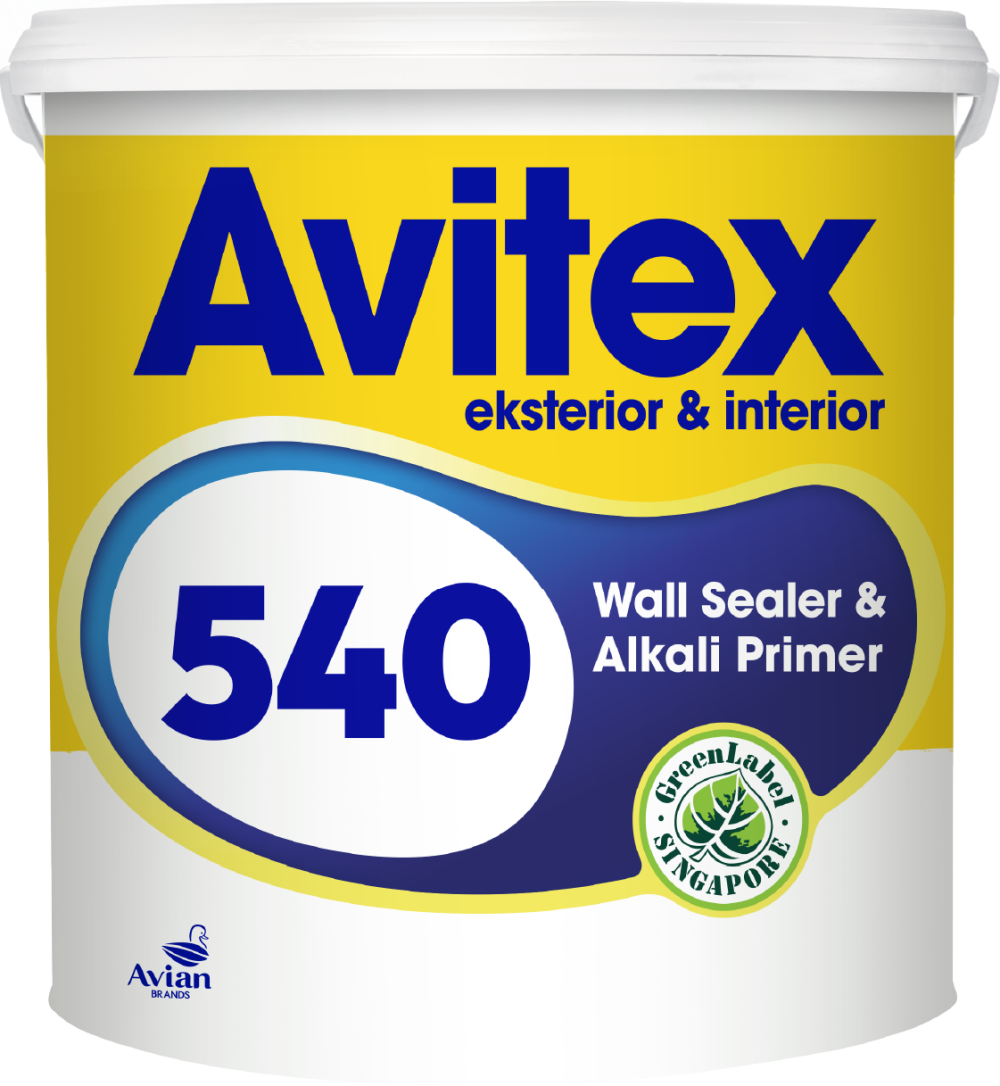
Use of base paint orfirst It is not only important for painting walls, but also for painting wood.First It functions to help the main paint adhere more perfectly to the wood surface. Withoutfirst, The wood paint color can look patchy and may require more coats.
Not only that, first It also improves the adhesion of wood paint and protects the surface from moisture and mold. This way, the wood surface will be better protected from damage and the final result will be more optimal.
6. Applying Paint Too Thickly
Applying too thick a coat of paint in one go is a common mistake. Many people think a thick coat will speed up the process.finishing, which actually makes it difficult for the paint to dry evenly. As a result, the paint surface can easily crack, clump, or leave brush marks.
It's best to apply wood paint in several thin layers for a more even and durable finish. To help the application process be smoother and easier to spread,You can also mix paint with thinner according to the type of paint you're using, such as Thinner B or Avian Thinner Enamel. Using the right thinner helps maintain the paint's consistency, resulting in a smoother finish.finishinglooks neater and more even.
Apply thin layers in stages, let them dry completely, then repeat the process until you get the desired color density.
Also Read: Recommendations for Beautiful and Aesthetic Wooden Door Paint Colors
How to Paint Wood Properly

To avoid wood painting mistakes, you need to follow the correct steps. Here's how to paint wood properly for smoother, longer-lasting results:
1. Prepare the Wood Surface Well
One of the most important steps in the wood painting process is ensuring the surface is completely clean and smooth. Remove any dust, oil, or other debris from the wood to ensure the paint adheres well.
Don't forget to sand the wood surface to smooth it and open the pores so the paint adheres better. If there are any holes or cracks, you can use a sandpaper.wood filler so that the wood surface is neater.
After sanding the wood, wipe the surface again with a soft cloth to ensure there's no dust left behind. Any remaining dust after sanding can cause a grainy finish, so be sure to check carefully.
2. Use Primer Before Base Paint
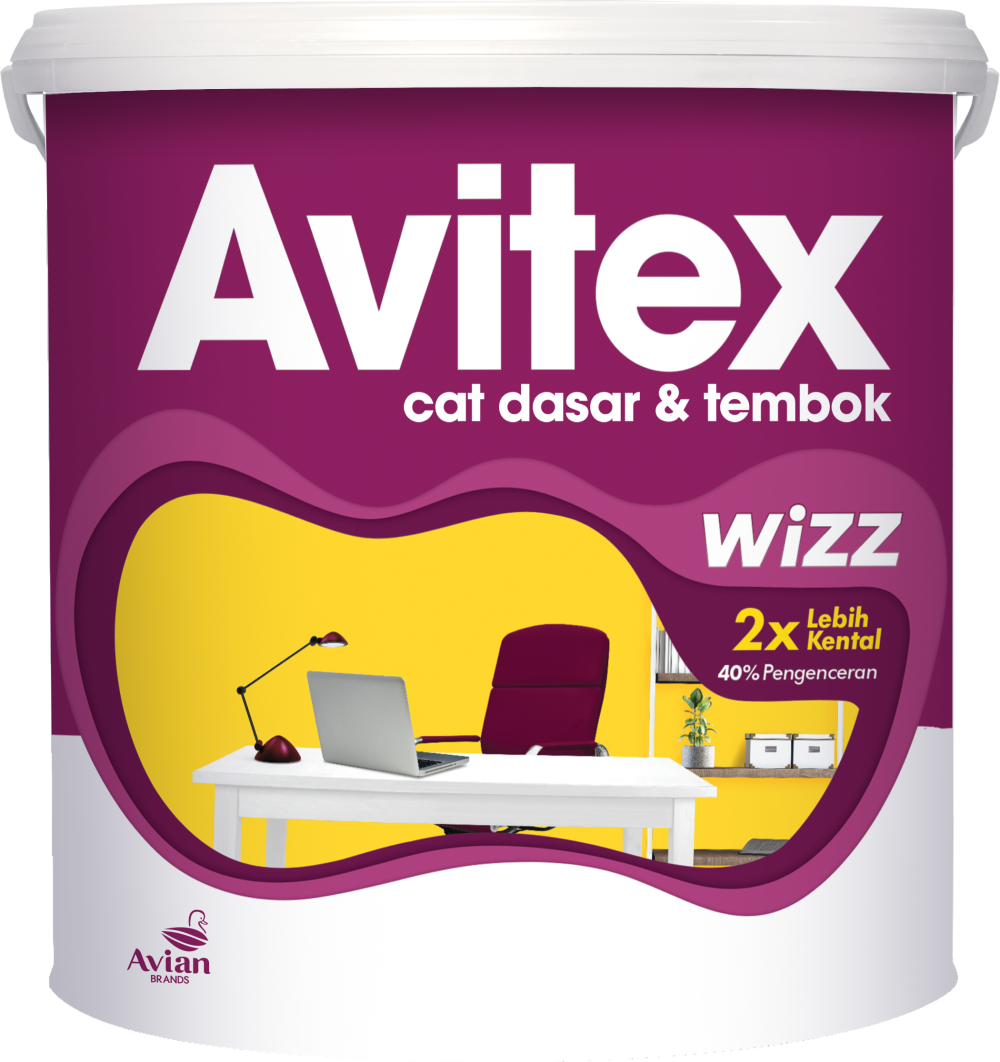
As explained previously,first It helps the wood paint adhere better to the surface and create a more even color. This is especially true if you're painting new wood or a previously unpainted surface. Apply a coat offirst quality evenly before applying the main wood paint.
3. Use the Right Painting Tools
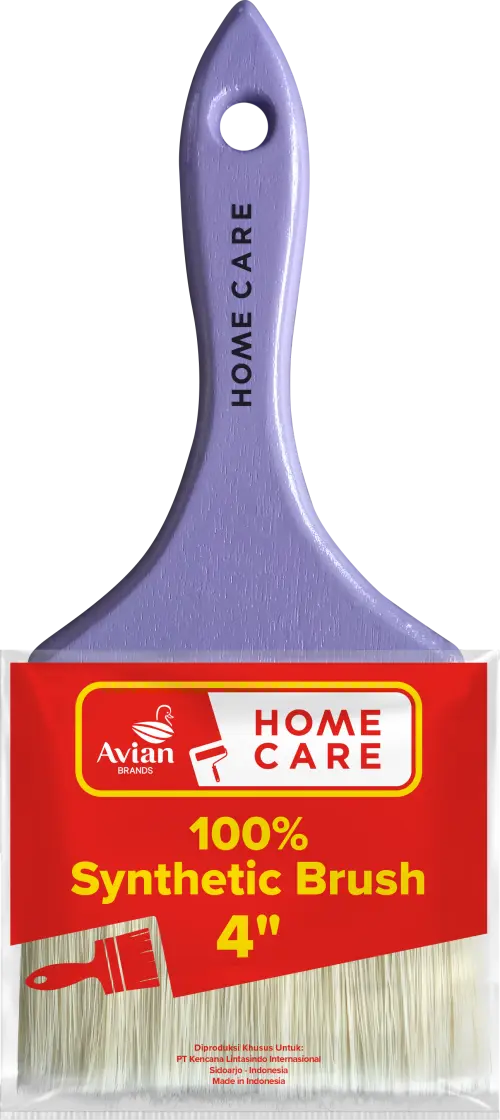
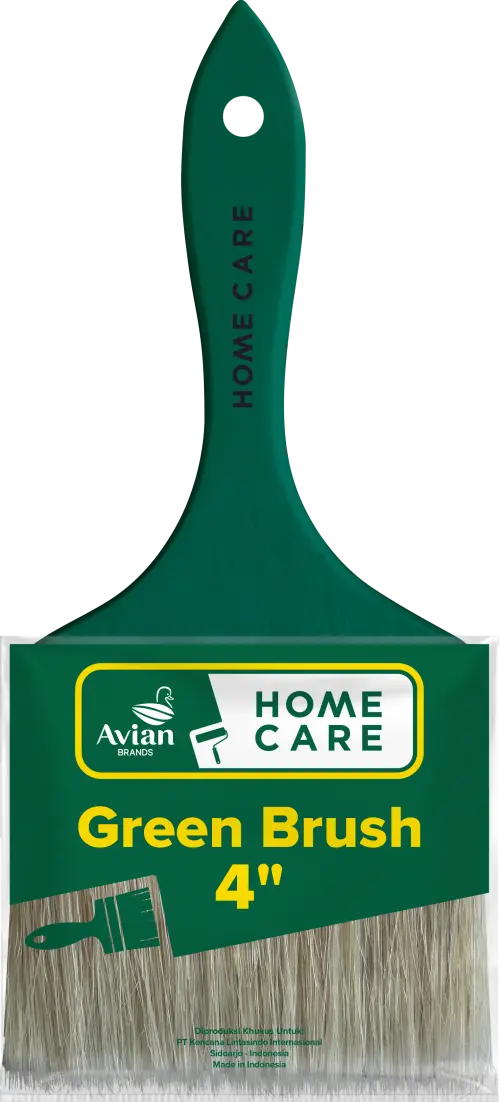
Make sure you use the right painting tools for your desired finish. Here are some types of wood painting tools you can choose from:
-
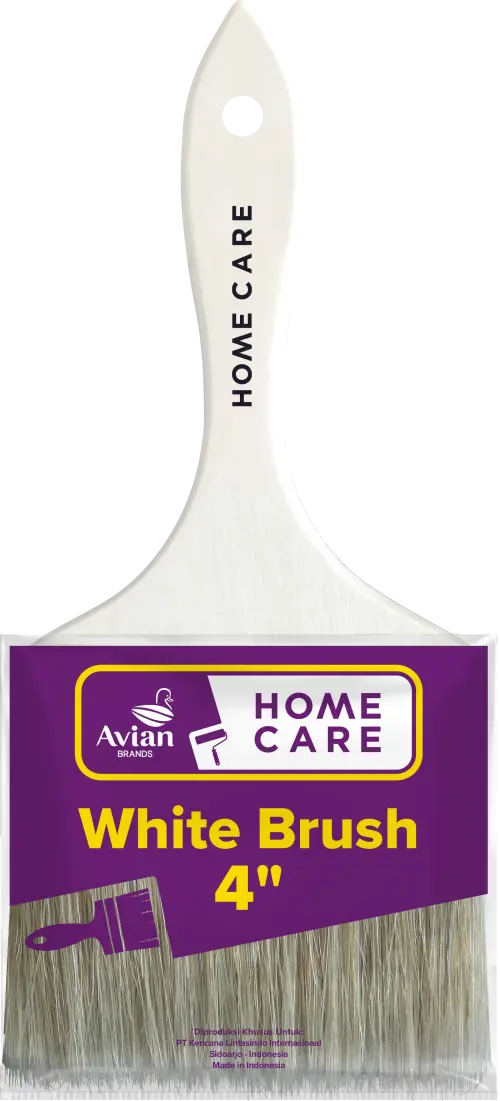
Soft bristle brush: For painting small details, furniture corners, and minimizing brush marks.
-
Mini scooter: For wider, flat wooden surfaces, such as door leaves or table surfaces.
-
Spray gun: For smoother and more professional painting results with a more even paint layer.
4. Apply the paint gradually
When painting wood, avoid applying a thick coat at once. The best approach is to paint in thin layers to dry faster and achieve a more even finish.
Afterward, wait for the first coat to dry completely before applying the next. This technique helps reduce the risk of paint cracking, clumping, or leaving brush marks on the wood surface. The final paint job will also appear smoother and last longer.
5. Choose Good Wood Paint from Avian Brands
Paint quality is a crucial factor in determining the durability and final appearance of wood. Choose a good wood paint with high coverage, long-lasting color, and protection against moisture and mold. Good wood paint is also typically easier to apply and produces a more consistent color.
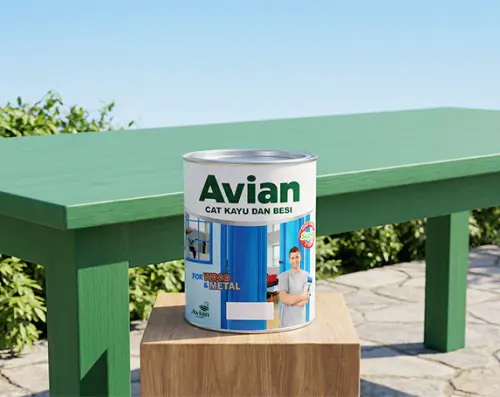
You can choose Avian Wood and Iron Paint from Avian Brands for an optimal wood painting process. Avian Wood and Iron Paint is a good wood paint made from basic materials for shiny results and maximum coverage.
Avian Wood and Iron Paint provides protection against weather, rust, mold, and termites, enhancing the durability of wood surfaces. This paint is suitable for doors, frames, and other wood and metal surfaces.

The advantages of Avian Wood and Iron Paint from Avian Brands:
-
High quality wood and iron paint with maximum coverage.
-
Gives a very glossy finish.
-
Provides protection against mold, termites, rust, and weather.
-
Quick drying and easy to apply.
-
Can be used for interior and exterior.
Avian Wood and Iron Paint is the perfect choice for an easy painting process with perfect, long-lasting results. Find the perfect color for your wood, metal, and furniture with Avian Brands!