
























Damp walls not only make a home feel less comfortable but can also trigger mold and damage the paint layer more quickly. One solution is to use waterproof paint on the walls. However, before choosing a product, it is important to understand how waterproof paint works, how it protects walls, and when it is best to use a primer first.
What Is Waterproof Paint and How It Works
Waterproof paint is a special type of paint formulated not just to beautify the appearance of walls, but to protect the building structure from damage caused by water and moisture. Unlike regular decorative paint, waterproof paint contains elastic polymers, acrylics, or bitumen that form a protective membrane after drying. This layer serves as the main shield between the wall surface and outside moisture sources.
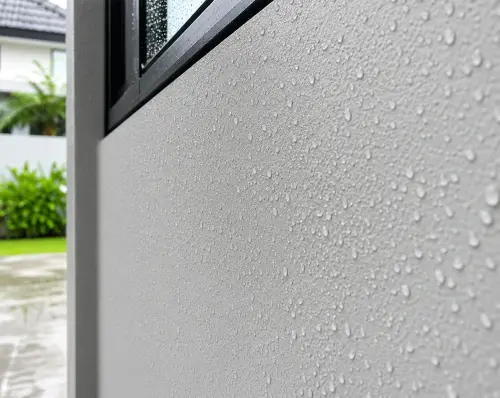
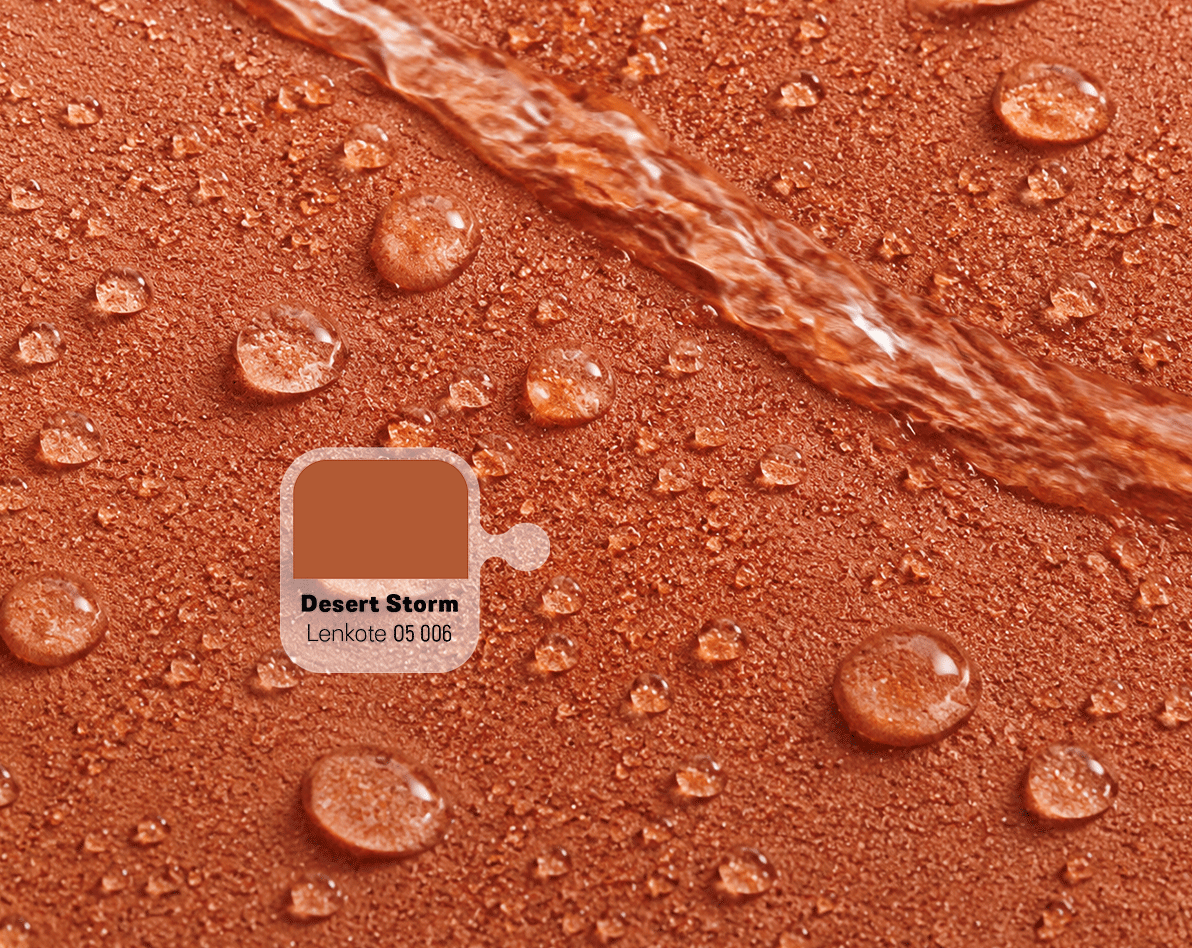
The way it works is simple yet highly effective. Once applied and fully dried, waterproof paint forms a dense film layer that water molecules cannot penetrate. A wall surface coated with waterproof paint becomes hydrophobic, so rainwater hitting the wall will bead up and flow down without seeping into the pores of the concrete or plaster. As a result, the wall structure is protected from within, and the risk of long-term damage due to moisture can be significantly minimized.
Besides the ability to repel water from the outside, some waterproof paint products are also formulated with negative waterproofing technology that works from the opposite direction, enabling them to withstand water pressure coming from the inner side of the wall. This technology is highly relevant for walls directly adjacent to water sources, such as walls behind bathtubs, basement walls, or walls bordering a neighbor's damp wall.
The Difference Between Exterior vs. Interior Waterproof Paint
Even though both are called waterproof paint, products for exterior and interior use have different formulations because the challenges they face are also different. Using the wrong product for the wrong area not only reduces its protective effectiveness but can also shorten the overall lifespan of the paint.
Exterior waterproof paint is formulated to face much harsher outdoor conditions, such as direct UV exposure, drastic daily temperature changes, heavy rain, wind, and the growth of mold and mildew accelerated by the high humidity typical of tropical climates. Exterior products usually contain UV-resistant pigments that prevent colors from fading, elastic polymers that can adapt to wall movements due to thermal cycling, and biocides to inhibit the growth of organisms on the wall surface. The film layer formed is generally thicker than that of interior products, ensuring stronger protection against rainwater pressure.
Meanwhile, interior waterproof paint is designed with different priorities. The main challenges indoors are not UV exposure or rain, but moisture stemming from condensation, water vapor from cooking and bathing activities, and possible seepage from walls directly bordering wet areas. Interior waterproof paints are generally formulated with lower VOC levels so they are safe to use in enclosed spaces without large ventilation, offering a smoother, more aesthetic finish that remains pleasing to the eye as part of the interior decor. Its resistance to constant moisture, light friction, and everyday stains are the main priorities in its product formulation.
When You Need a Primer Before Waterproof Paint
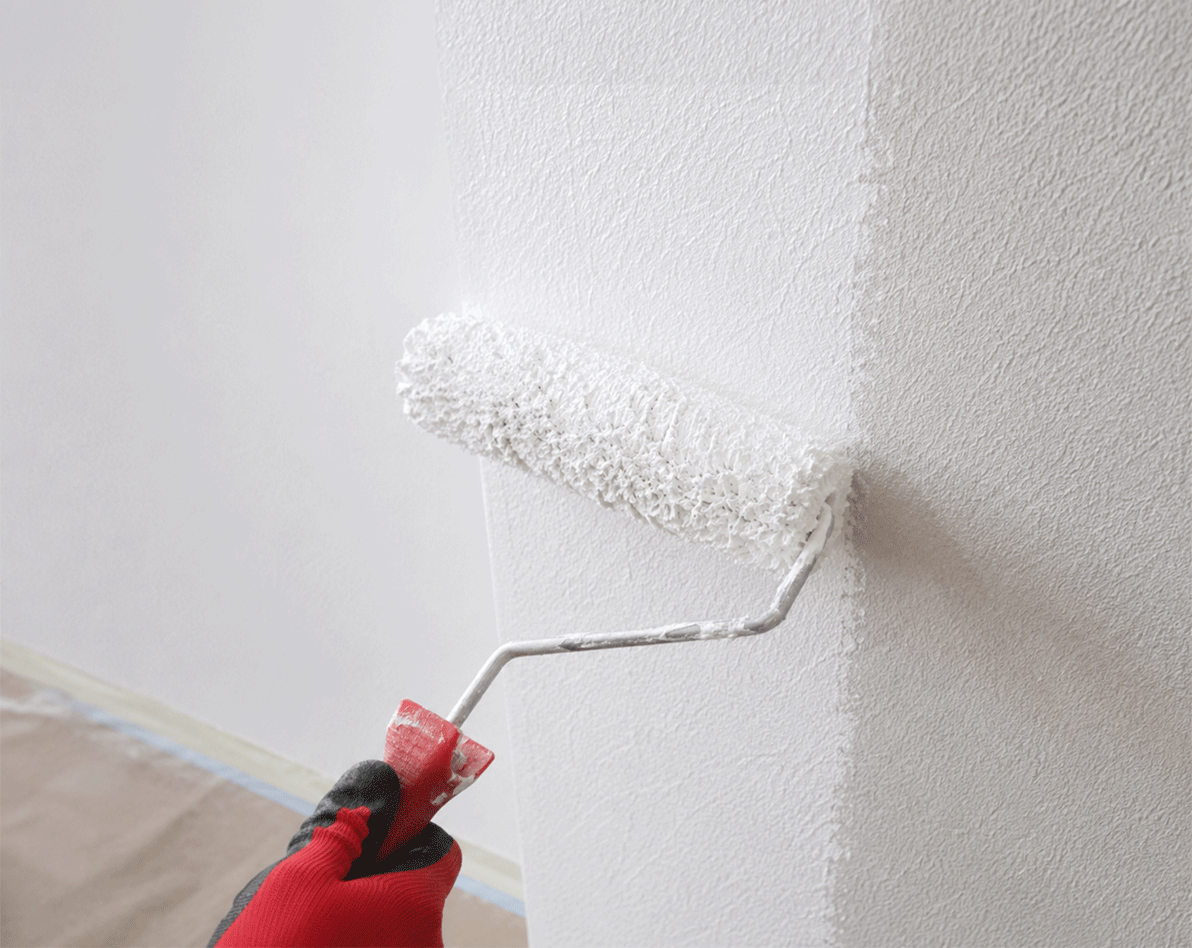
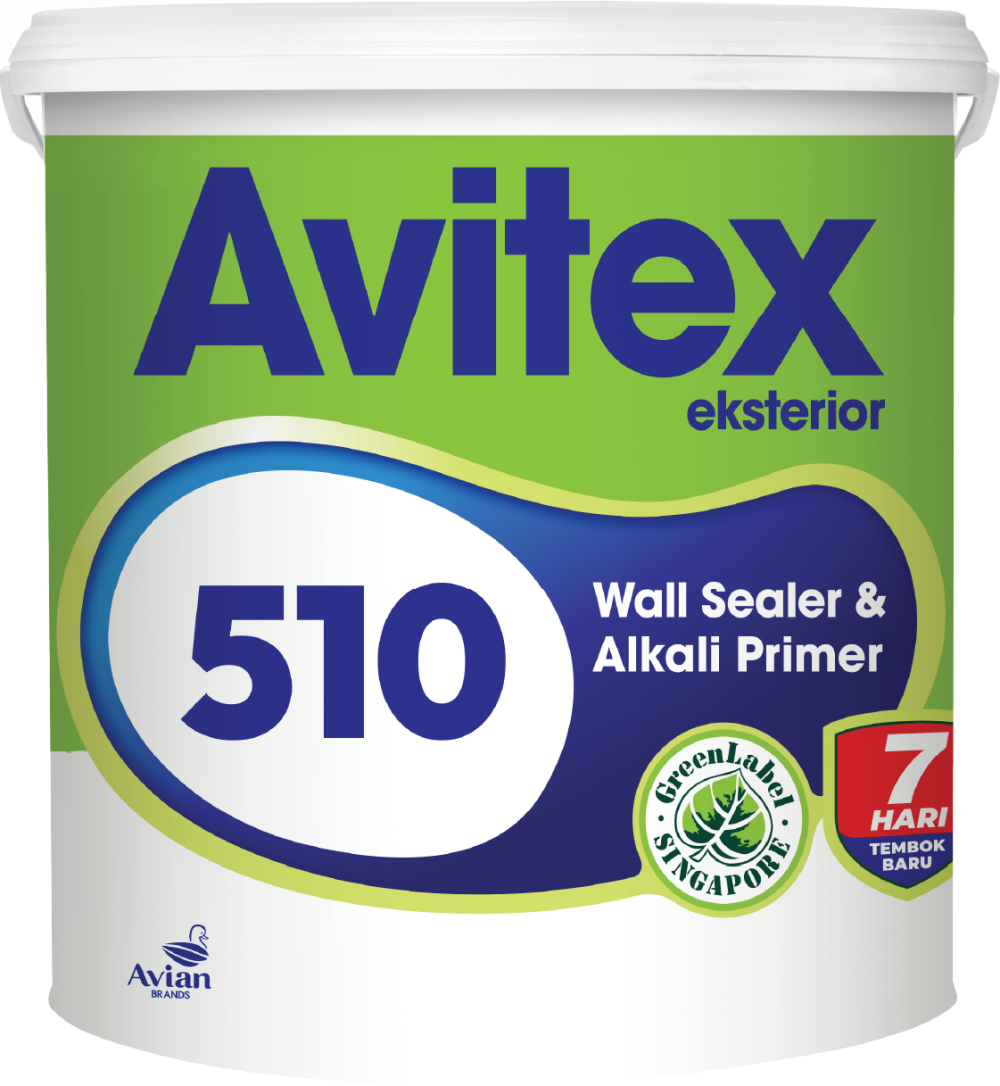
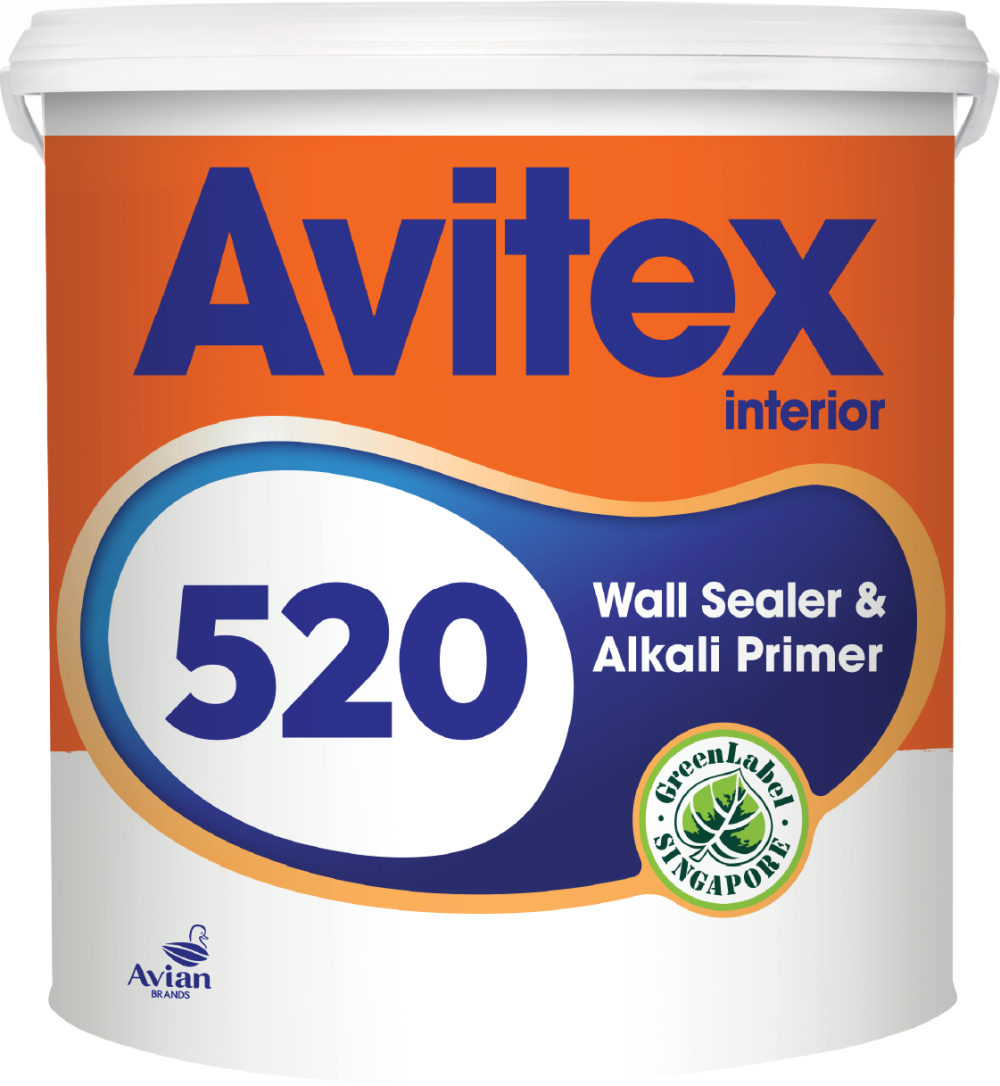
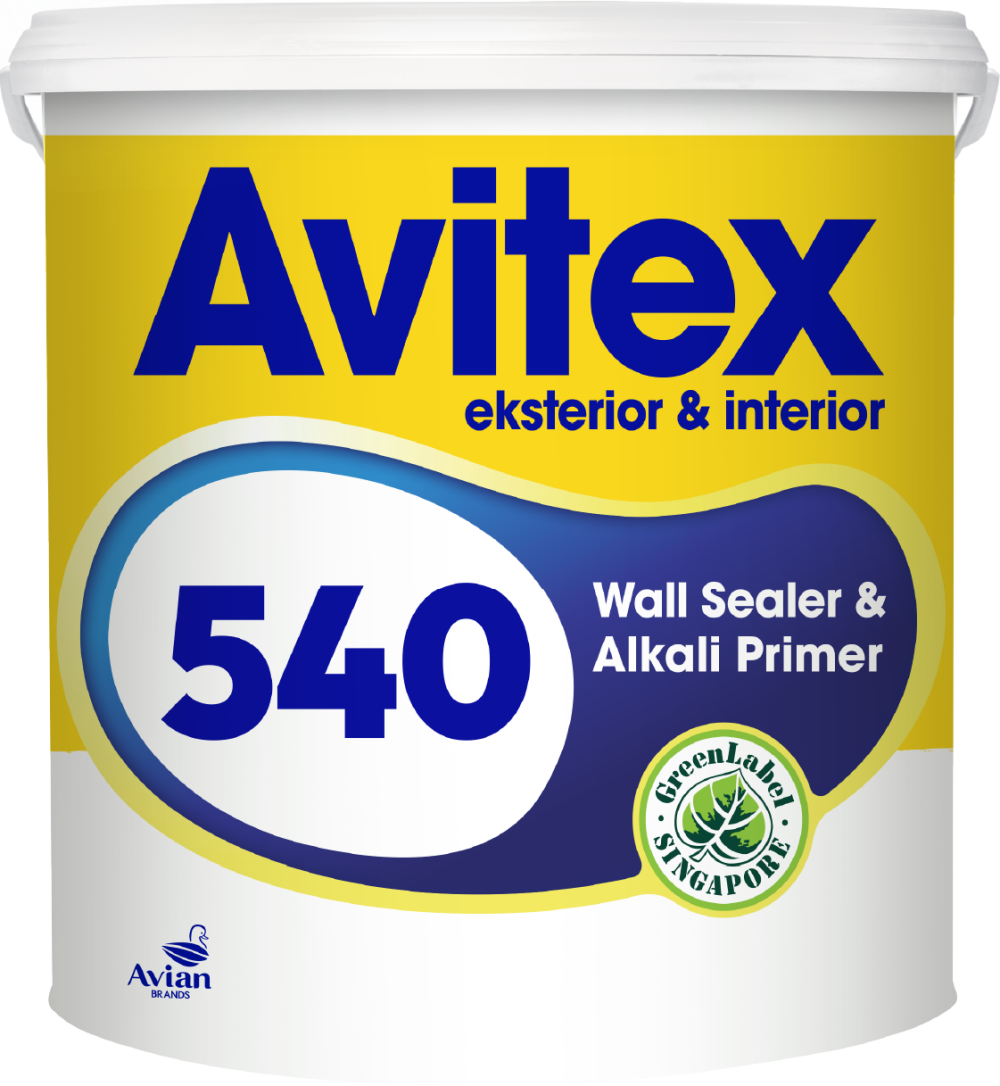
A primer should be used on new walls that have passed a curing period of about 3 days, when the moisture level is below 17% (measured using a protimeter) and the wall's acidity (pH) level is below 9, so the next layer adheres optimally. If the wall is still wet or exceeds these limits, the paint will easily peel, bubble, or mold.
An anti-leak primer is also important for walls that have previously experienced frequent seepage, as it helps retain moisture from the inside while improving the coverage of the final coat.
Waterproof Paint Recommendations from Avian Brands
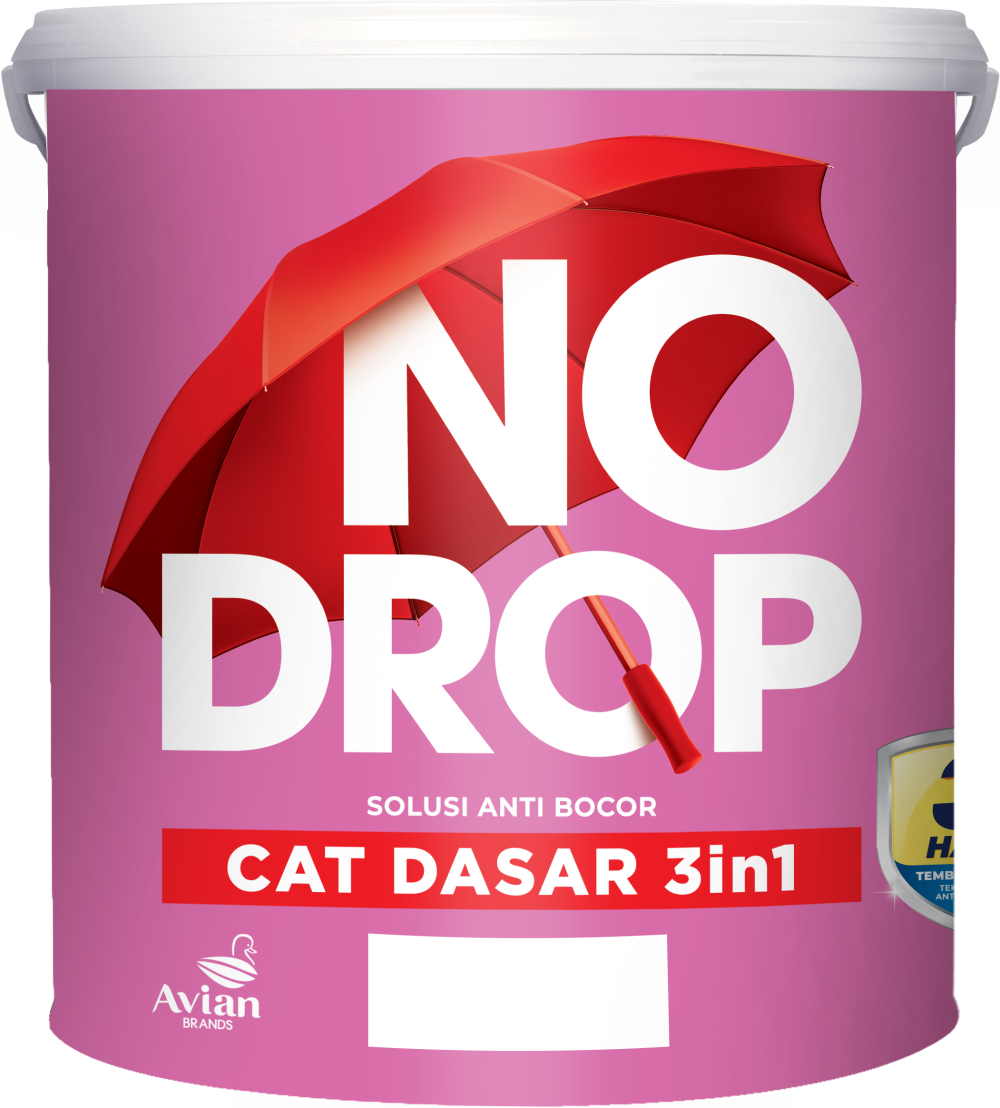
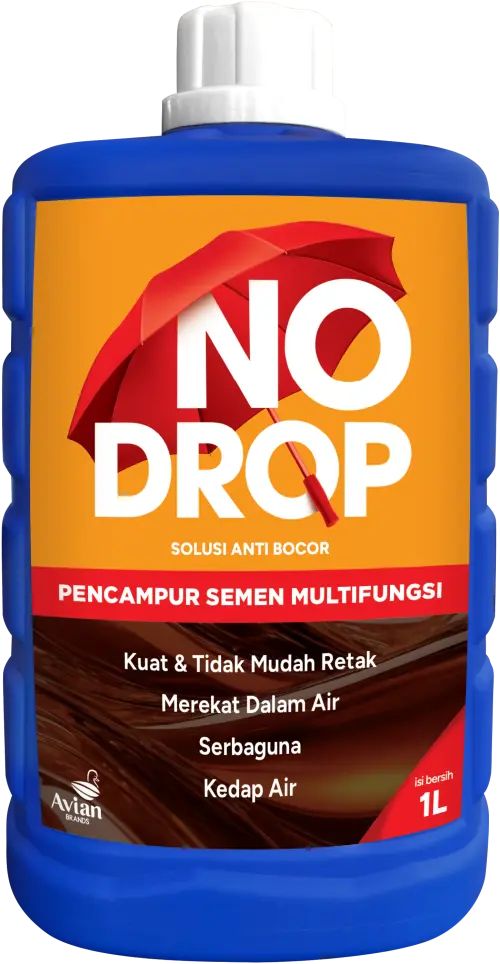
No Drop Cat Dasar Anti Bocor (No Drop Anti-Leak Primer) is formulated with negative waterproofing technology to prevent damp walls while enhancing the coverage of the final paint. This product is waterproof, alkali-resistant, and efflorescence-resistant.
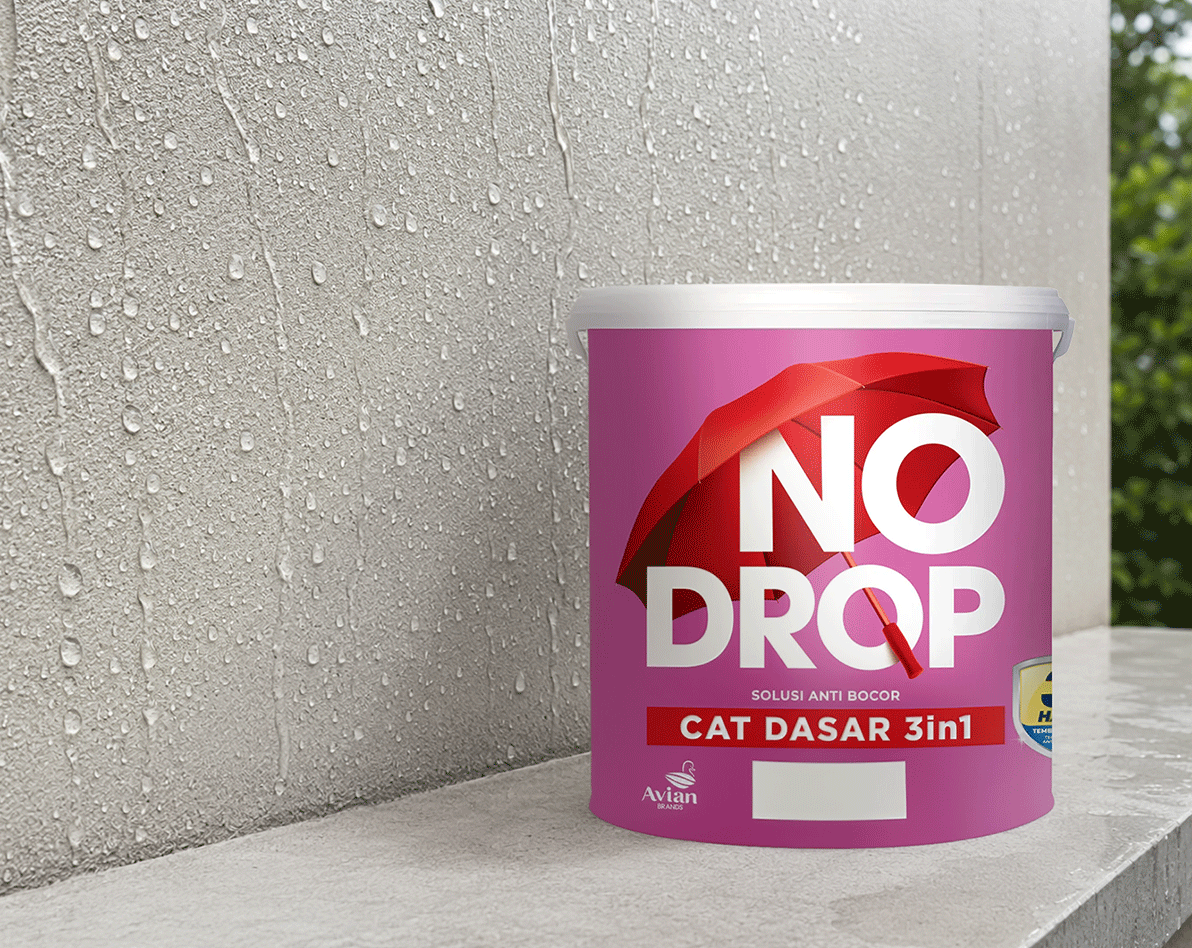
Advantages of No Drop Cat Dasar from Avian Brands:
-
Formulated with negative waterproofing technology.
-
Prevents damp walls and improves the coverage of the final paint.
-
Waterproof, alkali-resistant, and efflorescence-resistant.
-
Suitable for both exterior and interior use.
With the right base coat, waterproof paint on walls can work more optimally and last longer, thereby protecting your home from moisture.