


























Peeling paint on walls can be detrimental to the appearance of a home and make it appear poorly maintained. Repainting without addressing the underlying cause can lead to recurring problems. Using the best wall paint and proper surface preparation can help maintain a smooth, long-lasting finish.
So, what causes wall paint to peel? Learn the causes and how to fix them below!
Causes of Peeling Wall Paint
Peeling wall paint not only detracts from the appearance of your home, but can also be a sign of underlying surface problems. If left untreated for too long, this condition can make walls look dull, damp, and even more susceptible to damage.
Here are some of the main causes of wall paint peeling easily that you need to know:
1. Damp or Water-Seeping Walls
Moisture on walls is one of the main causes of paint peeling easily. Water seeping into walls can originate from roof leaks, faulty plumbing, wall cracks, or areas of the house with poor air circulation.
When walls are constantly damp, the paint layer loses its adhesiveness, causing it to bubble, crack, and then peel. Damp conditions also encourage the growth of mold and mildew, further damaging the wall surface.
2. Wall Surface Not Cleaned Properly
Before painting, the wall surface must be clean and dry. Dust, dirt, or old paint on the wall can prevent the new paint from adhering properly. This can lead to cracking and peeling quickly.
3. Use of Low-Quality Paint
The choice of paint also significantly impacts the durability of the wall. Low-quality wall paint typically has poor adhesion and poor resistance to weather and humidity.
Low-quality paint also tends to fade more quickly and cracks more easily. If used in exterior areas frequently exposed to heat and rain, damage can occur more quickly. Therefore, be sure to use high-quality paint to ensure a longer-lasting finish and resistance to peeling.
4. Wrong Painting Technique
Mistakes during the painting process often cause wall paint to quickly become damaged, including:
-
Painting while the wall is still wet.
-
Applying paint too thickly.
-
Do not use a base coat (first).
-
Rushed painting results in the paint not drying properly.
-
Using the wrong painting tools can result in an uneven paint layer.
5. Exposure to Extreme Weather
Extreme weather changes significantly impact the condition of walls, especially the exterior of a home. Exposure to UV rays can cause paint to expand and crack, while rain and high humidity accelerate the peeling process. If the paint used is not weather-resistant, the wall surface will dull and deteriorate more quickly.
Also Read: Guide to Choosing House Paint According to the Climate in Indonesia
The Risks of Letting Wall Paint Peel

Leaving peeling wall paint can cause more serious damage, not just a visual deterioration. Here are some risks of letting peeling wall paint persist that you should be aware of:
1. The appearance of the house becomes dull
Peeling wall paint can make a home look poorly maintained and lose its aesthetic value. Uneven wall surfaces and peeling paint can give a home a dull appearance.
Peeling is usually accompanied by changes in the paint color, making the home appear older. If left too long, the overall impression of the house can appear dirtier and less attractive.
2. Walls are more easily damaged
A layer of paint not only provides aesthetic color but also protects the wall surface from moisture, dust, and dirt. When the paint begins to peel, this protection is reduced, making the wall more susceptible to damage.
Peeling paint allows water to enter the wall, causing hairline cracks and even cavities on the wall surface. This damage can spread and require replacement repair which will be bigger if left unchecked.
3. Triggers the Growth of Fungus and Moss
Walls with peeling paint are more likely to absorb moisture, especially in areas frequently exposed to water or with poor ventilation. These damp conditions create ideal breeding grounds for mold and mildew.
Besides making walls look dirty and smell bad, mold can also affect indoor air quality. Excessive mold can also cause health problems, especially for residents who are sensitive or prone to allergies.
4. Repair costs become more expensive
Many people delay repairing peeling wall paint because they assume the damage is minor. However, the longer it's left, the more serious the wall problem can become and require more complex treatment.
For example, a wall that initially only needed repainting could become cracked or even require structural repair. If this happens, the repair costs will be much higher than if you had repaired it from the start.
Solutions to Peeling Paint with the Best Products
It's important to address peeling wall paint before the damage gets worse. Here are some steps you can take to address peeling paint:
1. Clean off the old damaged paint
The first step in dealing with peeling paint isn't to immediately repaint, but to first clean off the damaged layer of old paint. Use sandpaper or a wire brush to remove the peeling paint until the wall surface is smoother. Also, remove any dust and dirt to prepare the wall for repainting.
2. Address Sources of Moisture
If the paint is peeling due to water seepage or damp walls, be sure to address these first. Check for roof leaks, wall cracks, plumbing issues, or poorly ventilated areas of the house. Ensure the wall surface is completely dry for optimal and long-lasting paint results.
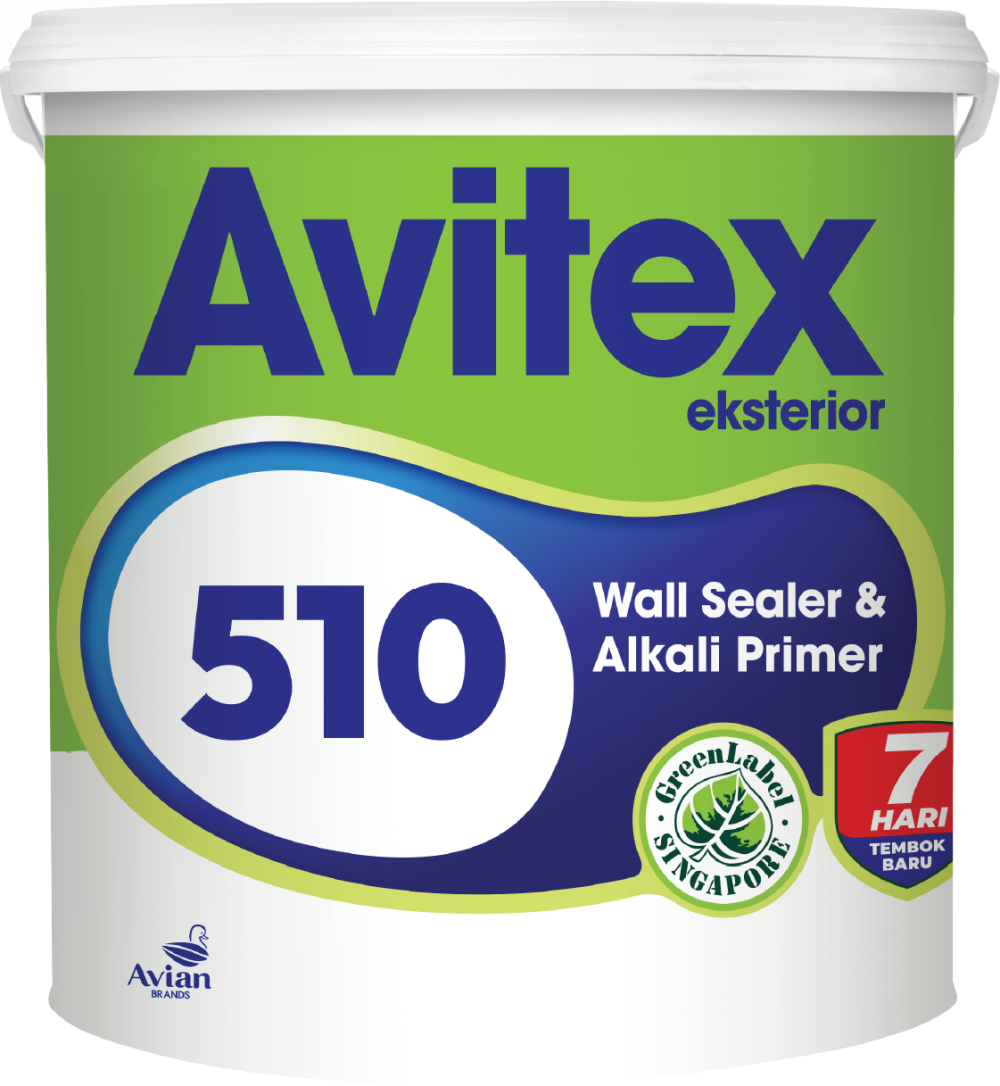
3. Use Primer First
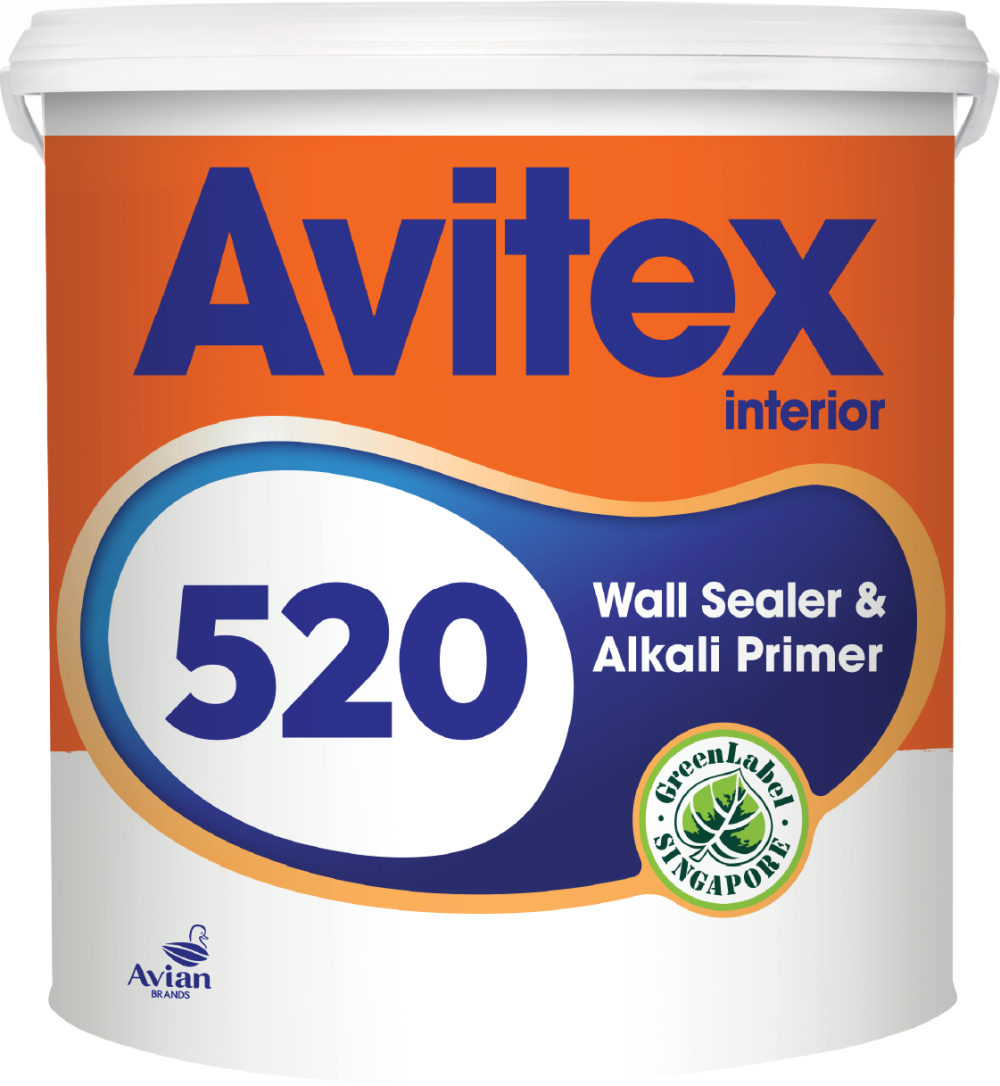
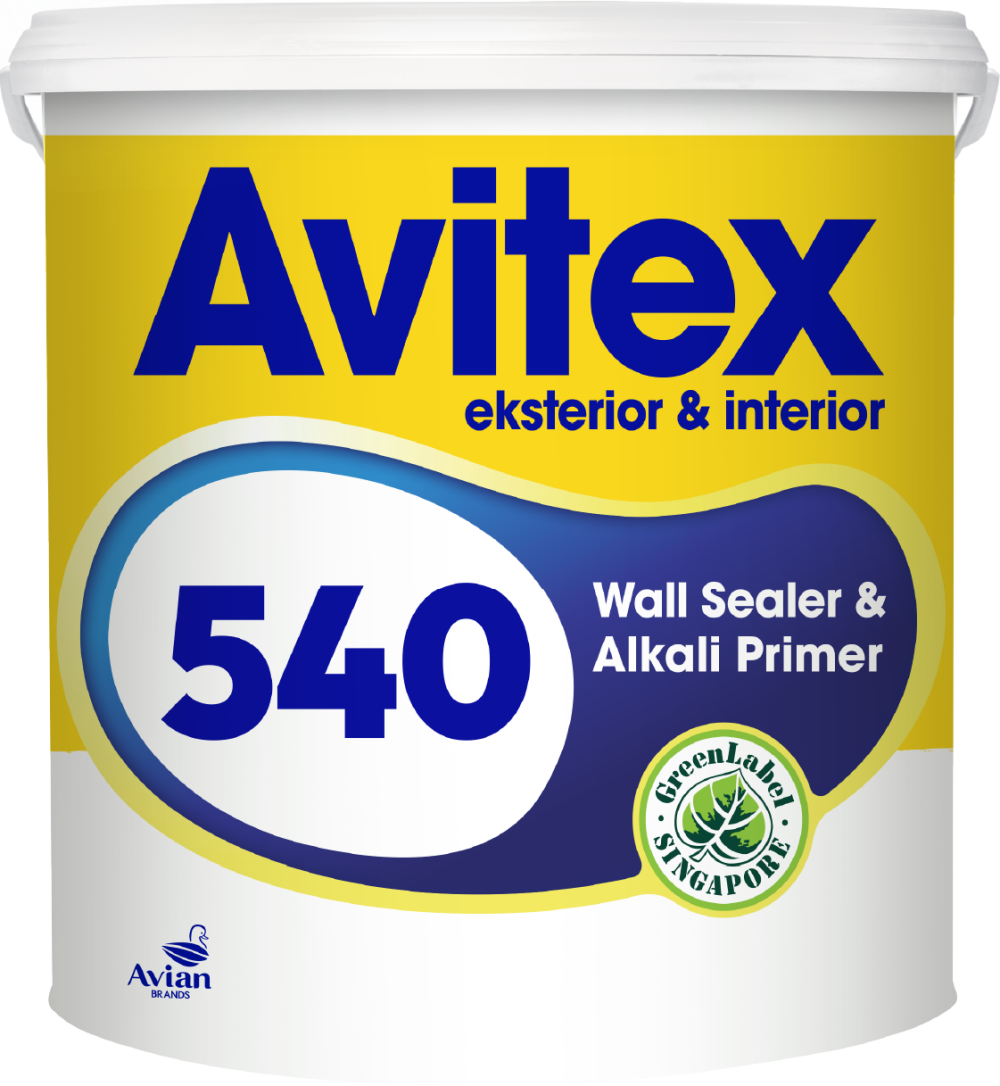
Usagefirst or primer is very important to help improve the adhesion of the paint to the wall surface.First It also helps close the pores of the walls so that the paint color results are more even and long-lasting.
Besides that, first can reduce the risk of paint cracking or peeling again, especially on walls that have been damaged. Choosefirst quality so that the wall surface is protected more optimally.
4. Choose the Best Wall Paint
If the wall surface is ready andfirst Once dry, the next step is to repaint the walls. Make sure you choose the best exterior paint to protect against peeling and other exterior wall problems.
Sunguard All-In-One dari Avian Brands can be the answer to your need for aesthetic and durable exterior wall protection. Sunguard All-In-One is a premium exterior wall paint with superior coverage, maximizing wall surface protection. This exterior wall paint is also suitable for Indonesia's climate and can lower room temperatures by up to 5 degrees Celsius.

The advantages of Sunguard All-In-One wall paint from Avian Brands:
-
100% superior acrylic without lead and mercury.
-
Protects from extreme weather in Indonesia.
-
Lowers the room temperature to 5℃ cooler.
-
Protects from UV rays so the color doesn't fade easily.
-
Covers hairline cracks in walls perfectly.
-
Anti-fungal and anti-moss.
-
15 year protection.
Sunguard All-In-One helps protect your home's walls, preventing them from peeling and ensuring they last longer. Create a protected, comfortable, and aesthetically pleasing home with Avian Brands!