


























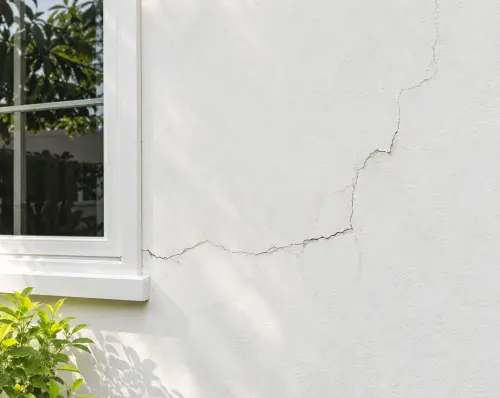
Cracks in the exterior walls of a house are almost certainly experienced by every homeowner, sooner or later. Some are just thin lines that are harmless, but others can be a sign of a problem that needs more serious attention.
The problem is, many people immediately repaint without first identifying the type of crack. In fact, different cracks require different handling. Fresh paint polished over an untreated crack will quickly show cracks again.
Here are the types of cracks in outdoor walls, how to recognize them, and the initial steps that can be taken before repainting!
Types of Cracks in Outdoor Walls That Commonly Appear
1. Hairline Crack
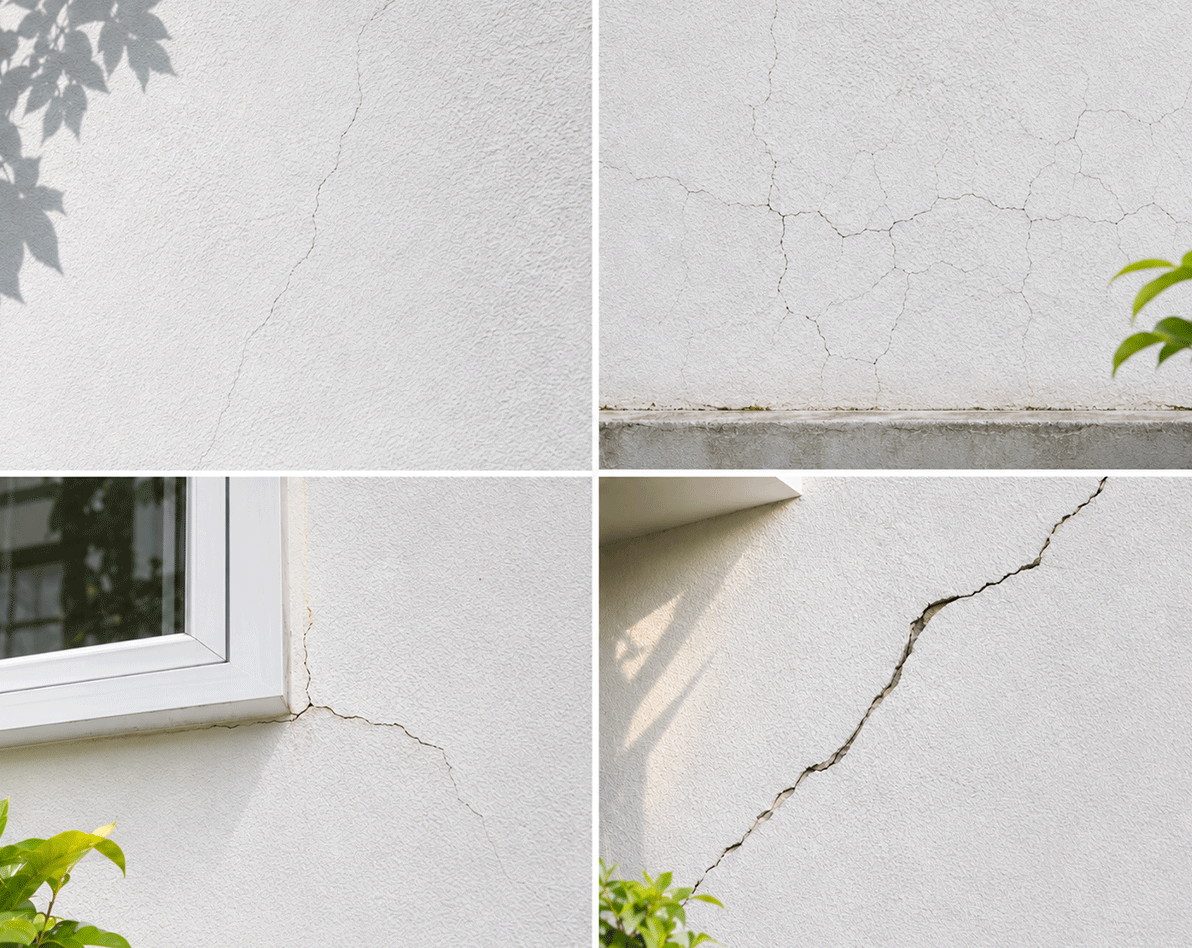
Very thin cracks, usually as thin as a hair, and generally only occur in the topmost layer of paint or plaster. Hairline cracks usually do not penetrate inward and most often cause the wall to look dull or have a pattern of fine lines.
2. Shrinkage Cracks
Appear when the plaster or skim coat dries too quickly so that the layer shrinks. The pattern is often random lines resembling a net, and is usually seen on newly built walls.
3. Expansion–Contraction Cracks
Wall materials expand when hot and contract when cold. This change repeats every day and can cause cracks, especially at the joints of two different materials, such as the meeting of concrete and brick, or at the corners of door and window frames. The cracks tend to be straight, horizontal or vertical.
4. Structural Cracks
This is the type that needs to be watched out for. Its characteristics include being diagonal or resembling stairs, its width continuing to increase, penetrating to the inner side of the wall, and sometimes accompanied by doors or windows that begin to be difficult to open. This kind of crack can be related to foundation movement or building loads. If suspected, consult a construction expert, do not just cover it with paint.
The Influence of Weather and Sunlight on Exterior Walls
The exterior walls of a house face harsh conditions. During the day, the wall surface absorbs heat from sunlight, then cools at night or when rain falls. This cycle causes the material to expand and contract repeatedly, making it one of the triggers for cracks.
Even the smallest crack can also become an entry point for rainwater. Water that seeps in makes paint bubble, peel, and triggers the growth of mold or moss. Therefore, cracks that are left alone tend to worsen over time, especially in tropical climates with alternating rain and heat.
Initial Steps before Repainting the Wall
1. Check the Condition of the Crack
Observe the length, width, and direction of the crack. Mark the end of the crack with a pencil along with the date, then check again a few weeks later. If the crack increases in length or width, that is a sign it needs to be examined by an expert.
2. Clean the Surface
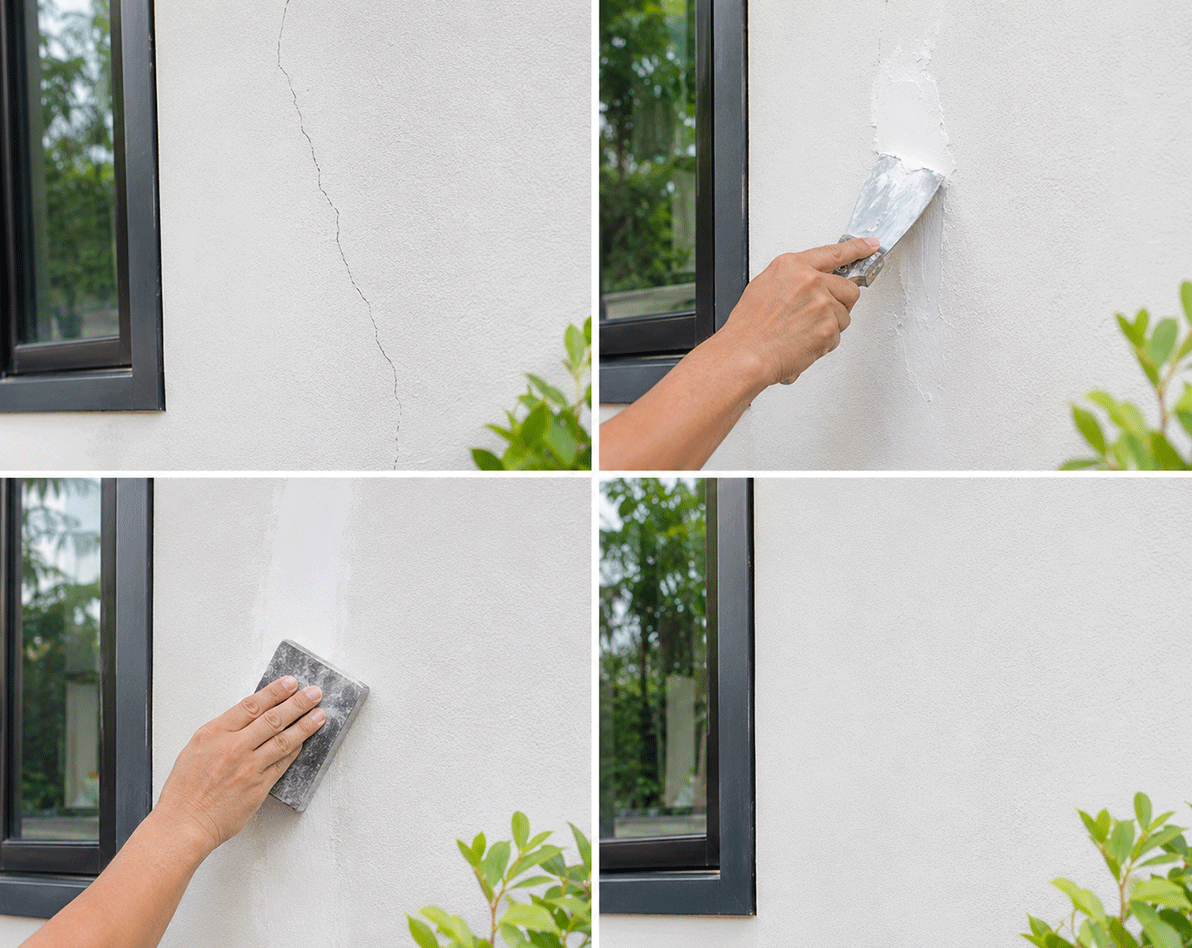
Brush off dust, moss, and remove the parts of paint that have peeled around the crack. A clean surface helps the repair material adhere well.
3. Repair the Problematic Part of the Wall
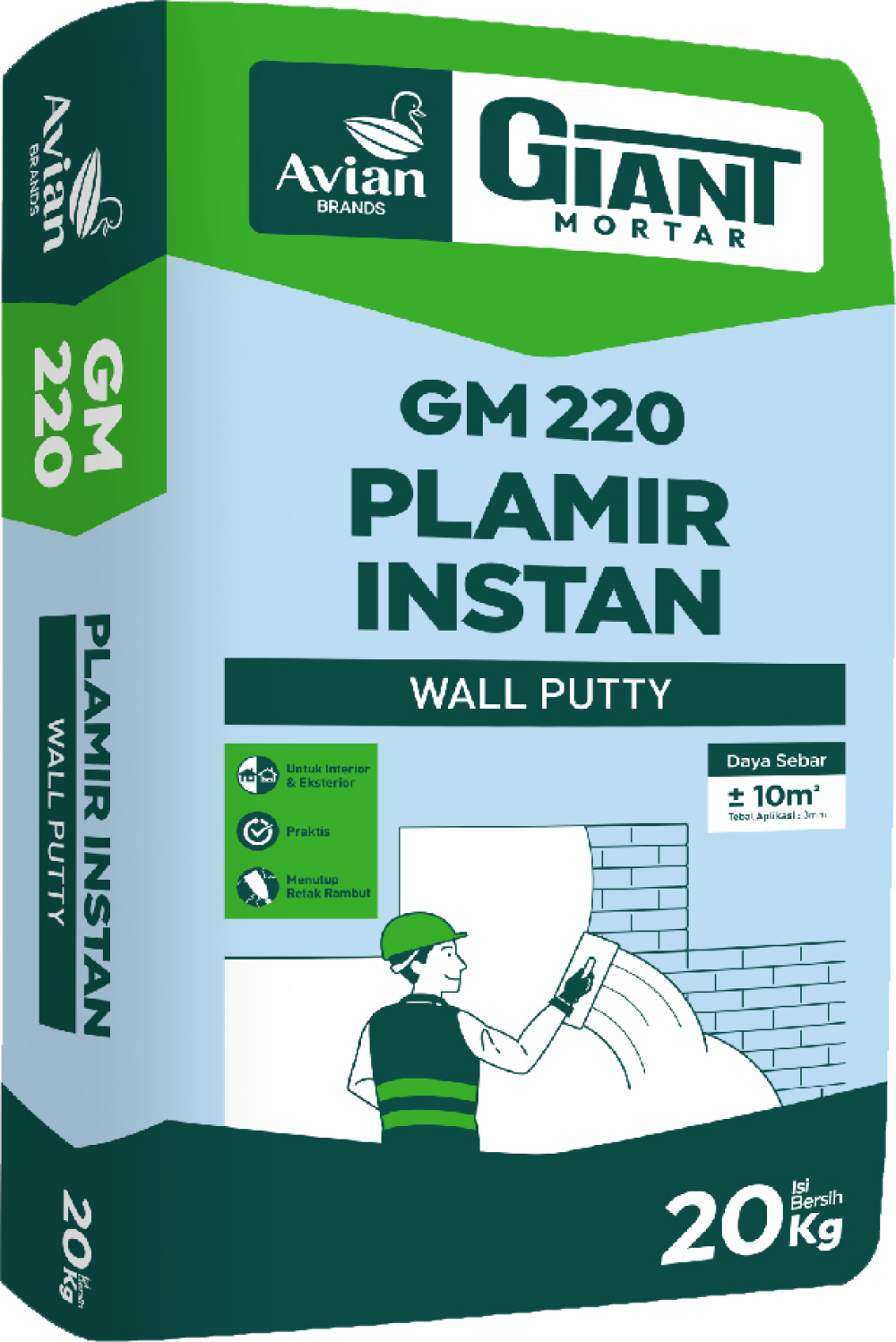
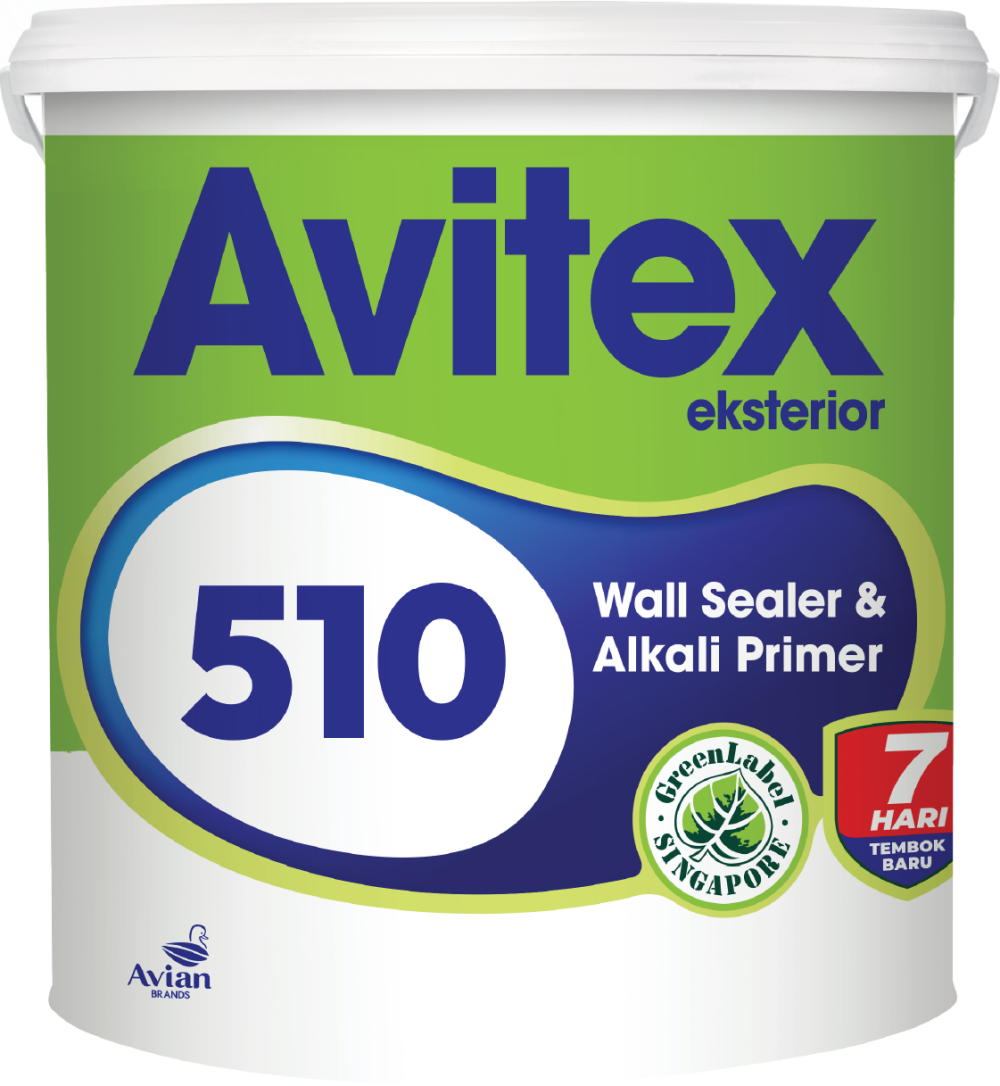
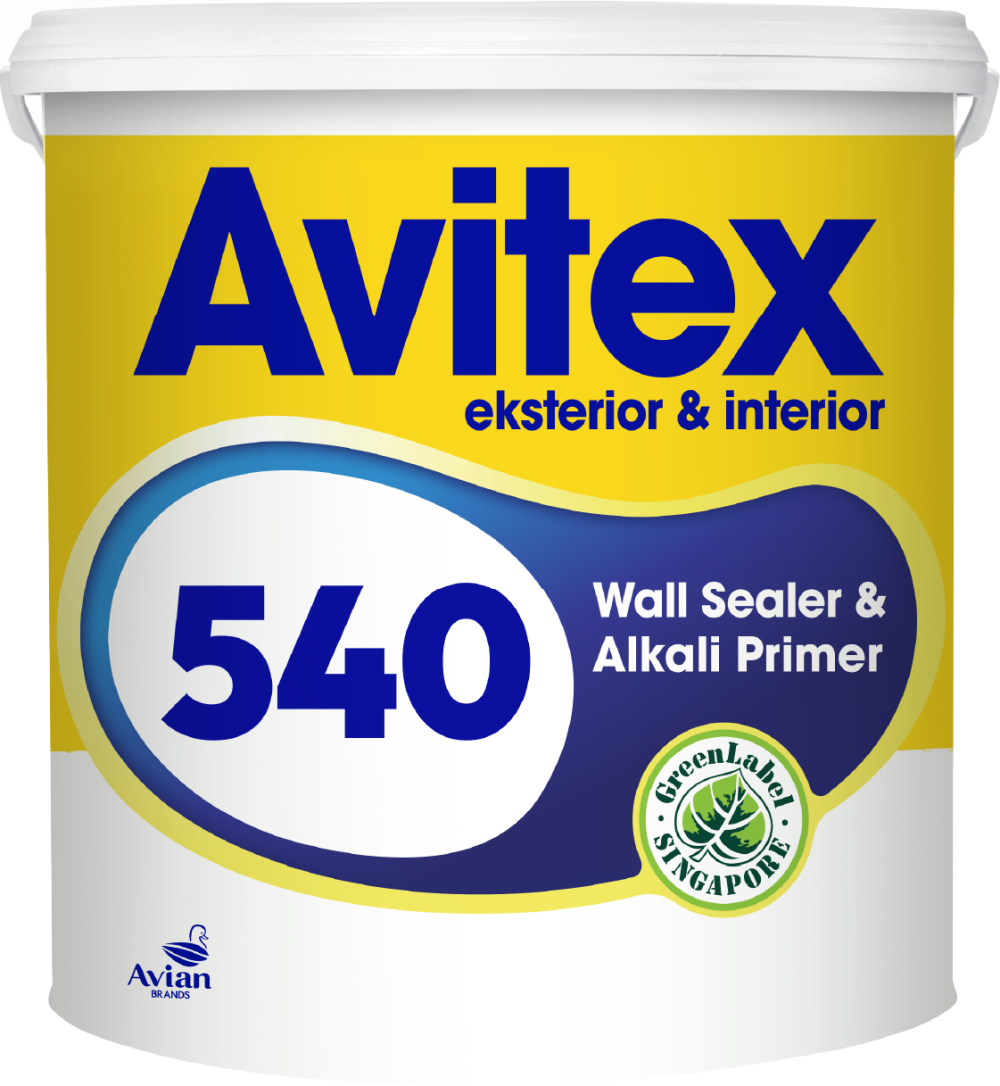
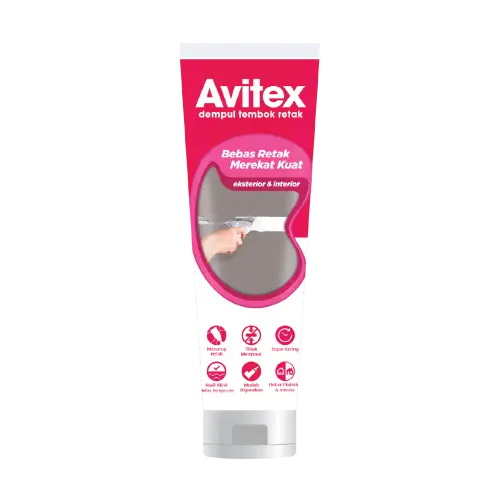
Fine cracks can be covered with a suitable filler or patching compound, while wider cracks need to be slightly opened and filled with repair material until flat. Wait until completely dry, then sand and apply primer.
The Importance of Choosing the Right Exterior Paint
After the cracks are treated, the final layer greatly determines how long the wall stays looking good. Interior paint is not designed to face heat and rain, so it is not suitable for use on exterior walls. Choose a special exterior paint that is resistant to sunlight and weather exposure so that the wall appearance remains maintained after repair.
Exterior Wall Paint Products from Avian Brands
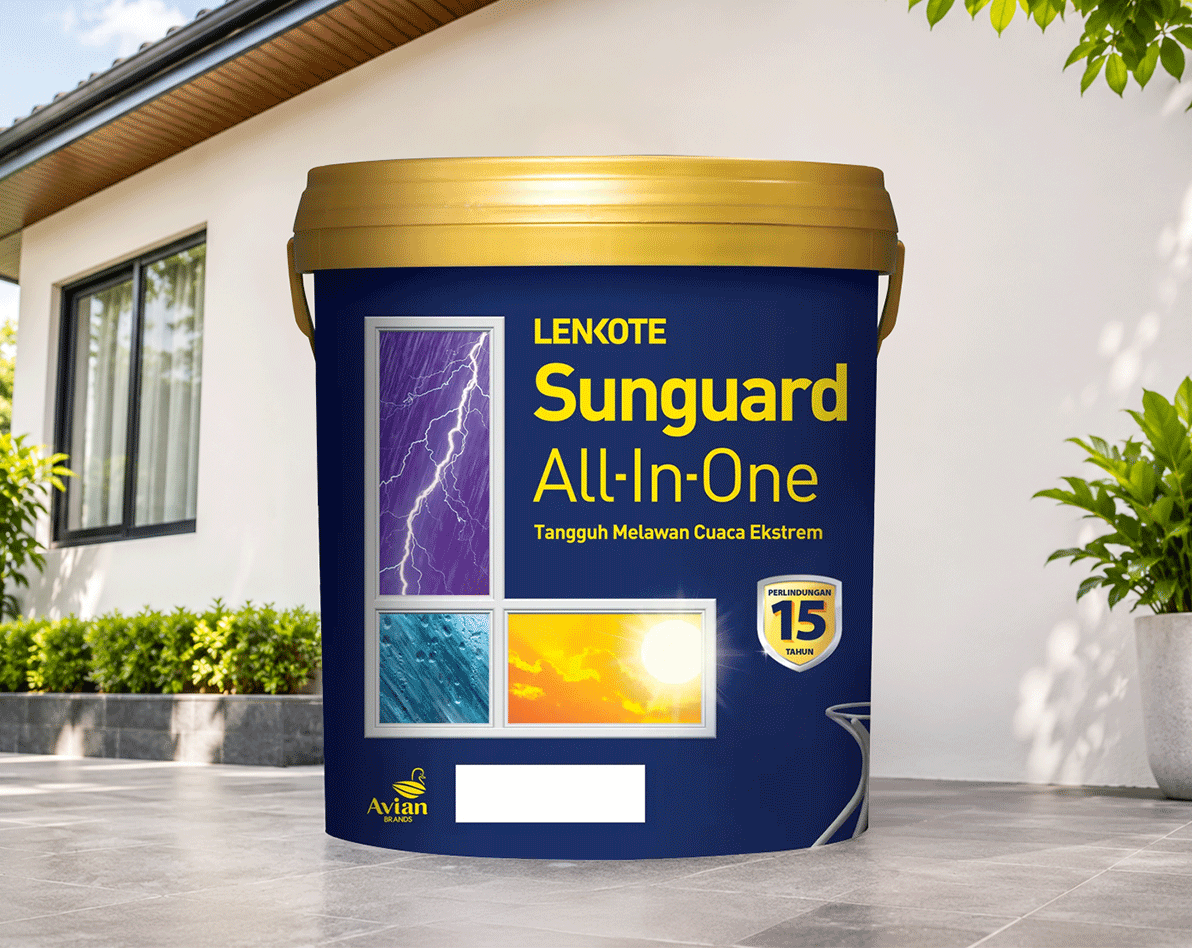
For house exterior walls that are vulnerable to heat and rain, Sunguard All-In-One from Avian Brands can be the right choice. This product is intended specifically for exterior walls, with a focus on protection and an appearance that stays neat.
Advantages of Sunguard All-In-One:
-
100% superior acrylic without lead and mercury.
-
Protects against extreme weather in Indonesia.
-
Lowers room temperature by up to 5℃ cooler.
-
Protects against UV rays so colors do not easily fade.
-
Covers hairline cracks in walls perfectly.
-
Anti mold and moss.
-
Protection for up to 15 years.
By recognizing the type of crack early and choosing the right exterior paint, the exterior walls of Sahabat Avian Brands' homes can stay neat and protected from year to year.