




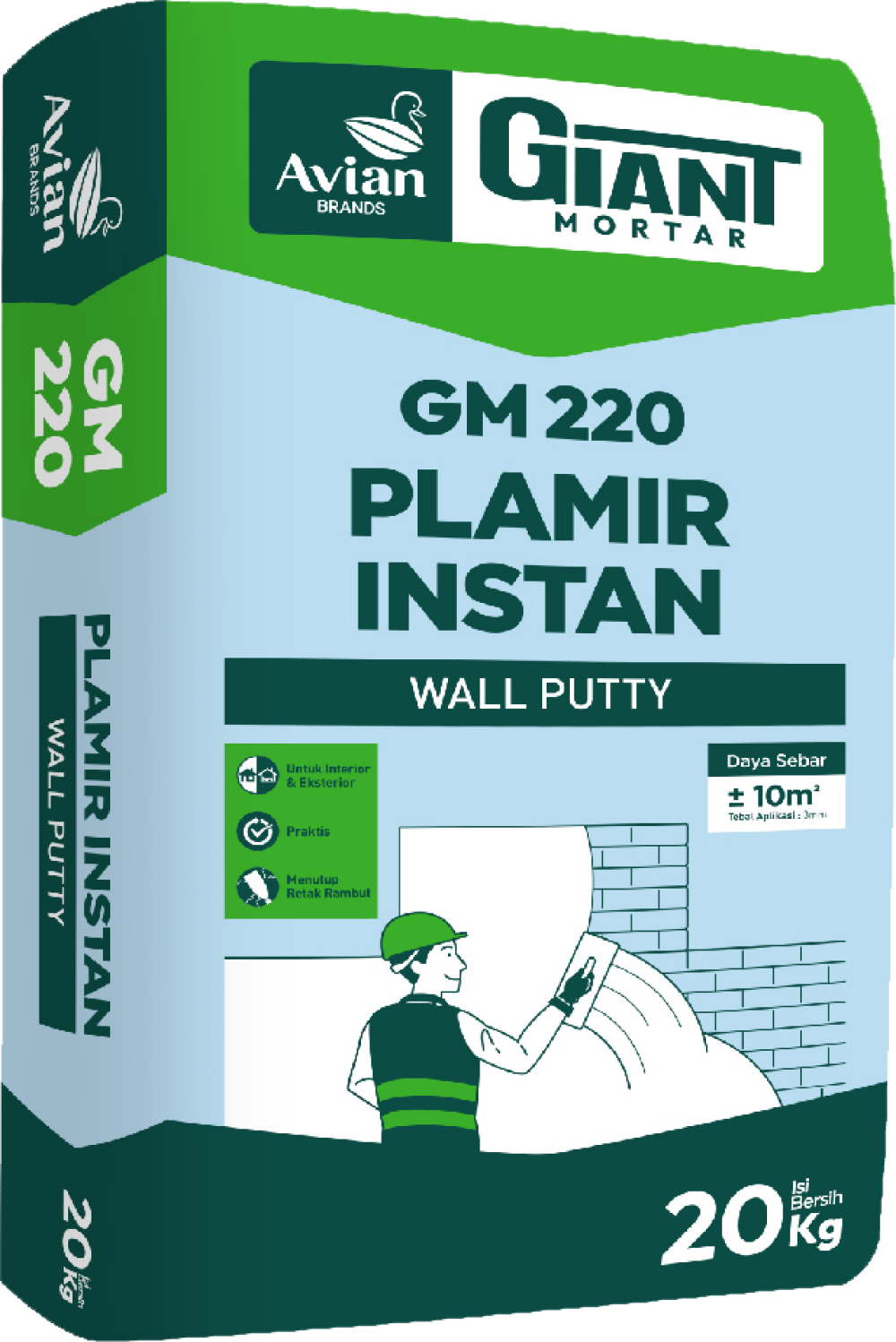






















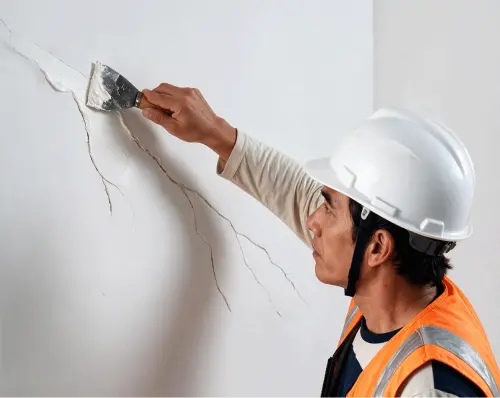
Before painting a wall, there is one stage you need to know, namely the process of applying plamir to the wall. Plamir is not a mandatory stage for all wall conditions, but rather an additional solution specifically needed for uneven or wavy wall surfaces. By applying plamir to the problematic parts, the wall surface can be leveled first before proceeding with the primer and color paint coats, so the final painting result is neater and maximized.
So, what exactly is wall plamir and under what conditions do Avian Brands Friends need to use it? Check out the following complete explanation so that the wall painting process at home produces a neat, flat, and durable appearance.
What is Wall Plamir and Its Function in Painting Preparation
Wall plamir is a paste-like material used to level, smooth, and close pores or imperfections on the wall surface before the painting process is carried out. Plamir is usually applied after the wall cement (acian) or plastering layer is complete and before the wall is coated with a primer.
The main function of plamir is to create a wall surface that is truly smooth and flat, so the paint applied afterwards can adhere optimally and produce a smooth final look without rough textures or visible pores. In addition, plamir also helps close small hairline cracks and fine holes on the wall surface which, if left alone, can reduce the beauty of the painting results.
When it is Mandatory to Use Wall Plamir
1. New Walls
Walls that have just been plastered and coated with cement generally still have porous and not fully flat surfaces. Plamir must be applied to new walls to close the cement pores and create a surface that is truly ready to receive paint, so the final result looks smoother and the paint color is more even.
2. Previously Cracked Walls
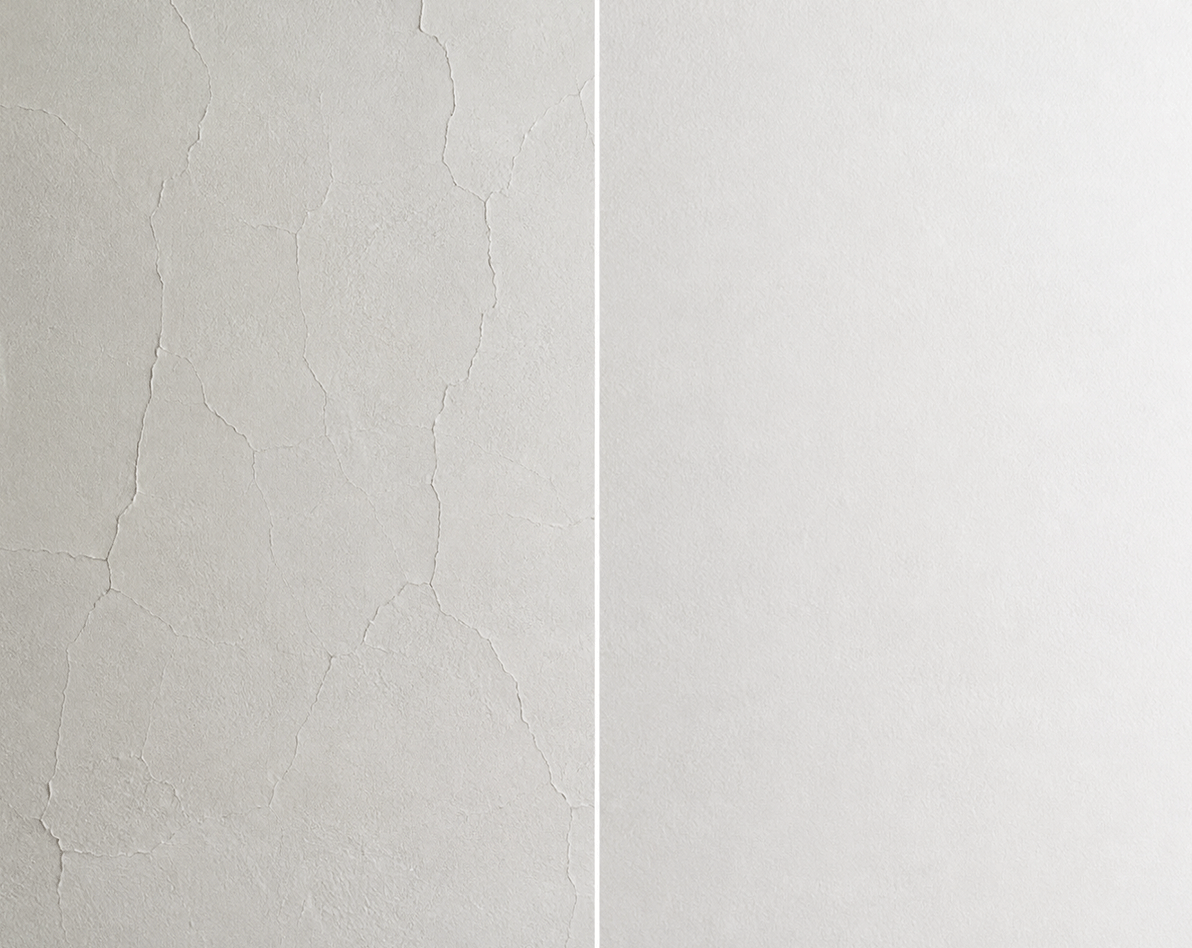
Old walls that have hairline cracks or fine cracks due to structural building movements or age need to be applied with plamir first before repainting. Plamir will fill the gaps of these cracks so the surface returns to being flat and the cracks do not widen or become clearly visible after being painted.
3. Uneven Surfaces
Walls with wavy, slightly holey, or rough-textured surfaces due to an imperfect cement coating process also require plamir. With proper plamir application, uneven surfaces can be leveled back before entering the painting stage, so the final result looks much more professional.
How to Apply Wall Plamir Correctly for a Smoother and Long-Lasting Paint Result
1. Ensure the Wall is Clean and Dry
Clean the wall surface from dust, dirt, and residual attached materials. Ensure the wall is in a perfectly dry condition before plamir is applied, because moisture can interfere with the plamir's adhesion to the wall surface.
2. Apply Plamir Thinly and Evenly
Use a putty knife (kape) or plamir scraper to apply plamir thinly and evenly over the entire wall surface. Avoid applications that are too thick as this can cause the plamir to easily crack and peel off after drying. If necessary, apply in two to three thin layers for maximum results.
3. Sand the Surface After Drying
After the plamir is completely dry, sand the wall surface using fine sandpaper until it feels flat and smooth. Clean the remaining sanding dust before proceeding to the primer and final paint application stages so the painting result looks perfect.
To understand more about the different ways wood stain works on wood surfaces, Avian Brands Friends can also read the article "What is Wood Stain? How It Works and How to Choose the Right One for Wood" as an additional reference regarding preparation and selection of appropriate finishing materials.
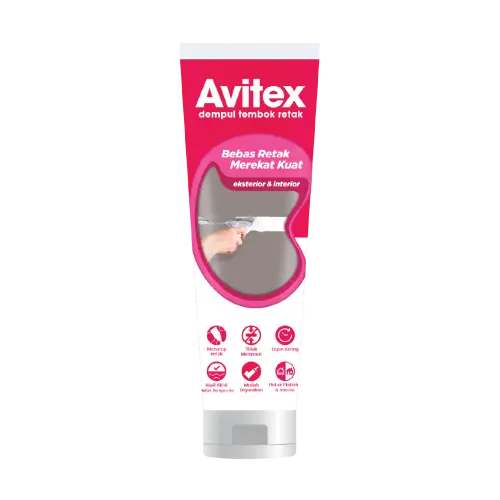
Recommended Product: Avitex Plamir Tembok
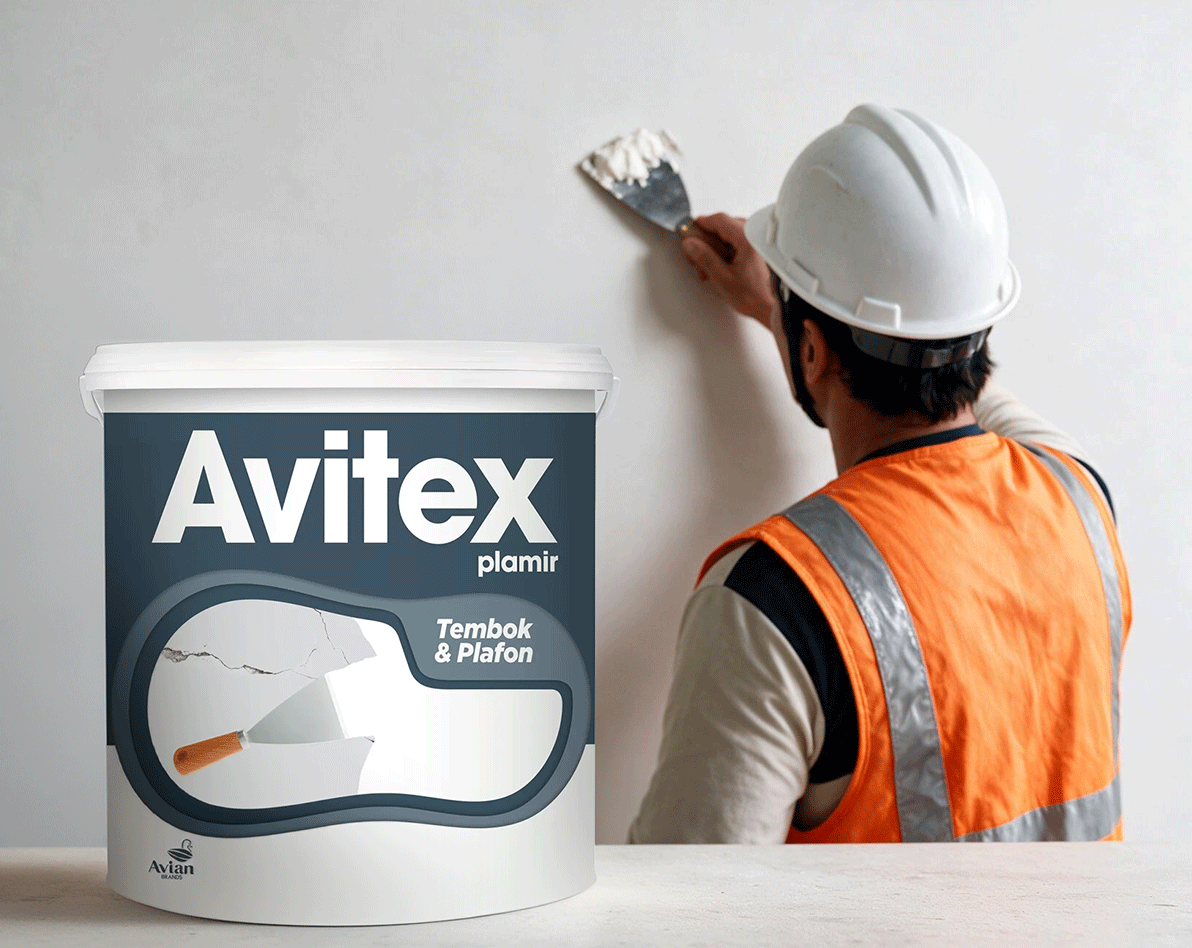
For smooth, flat, and ready-to-paint wall results, Avian Brands Friends can use Avitex Plamir Tembok from Avian Brands. Specifically formulated to close pores and imperfections on wall surfaces, this product provides a smooth final result and serves as the best foundation before the painting stage.
Advantages of Avitex Plamir Tembok:
-
Strong adhesion to various types of wall surfaces, both new and old walls.
-
Produces a surface that is smooth, flat, and easy to sand.
-
Helps optimally cover hairline cracks and cement pores.
-
Easy to apply with a putty knife, quick-drying, and not easily cracked.
-
Becomes the ideal foundation so the final paint result looks flatter and longer-lasting.
With Avitex Plamir Tembok, the wall preparation stage before painting becomes easier and the final painting result is much more maximized, flat, and durable.