





























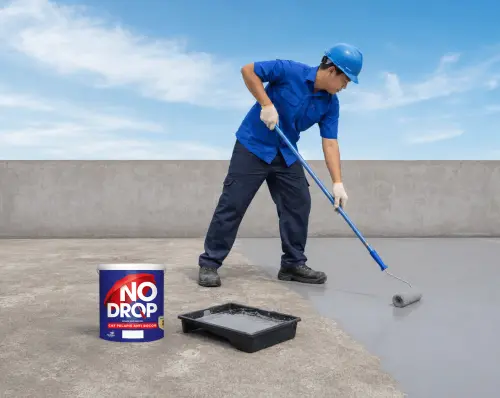
The rainy season often brings back an old problem: leaks. From seepage in concrete flat roofs and damp walls to overflowing gutters, each area has different leak characteristics.
To ensure renovations don't become complicated and repetitive, it's important to understand which areas are prone to leaks and choose the appropriate anti-leak paint solution for each.
Areas of the Home Prone to Leaks
Concrete flat roofs are the most vulnerable areas as they are directly exposed to rainwater and have the potential to develop hairline cracks over time. Bathrooms are also prone to leaks due to continuous water puddles hitting the floors and walls.
The exterior walls of a house, especially at material joints or areas rarely exposed to sunlight, are at risk of dampness and mold. Clogged gutters or leaks at their joints are also frequent sources of unnoticed seepage.
How to Recognize the Early Signs of Leaks
1. Brownish Spots on the Ceiling or Walls
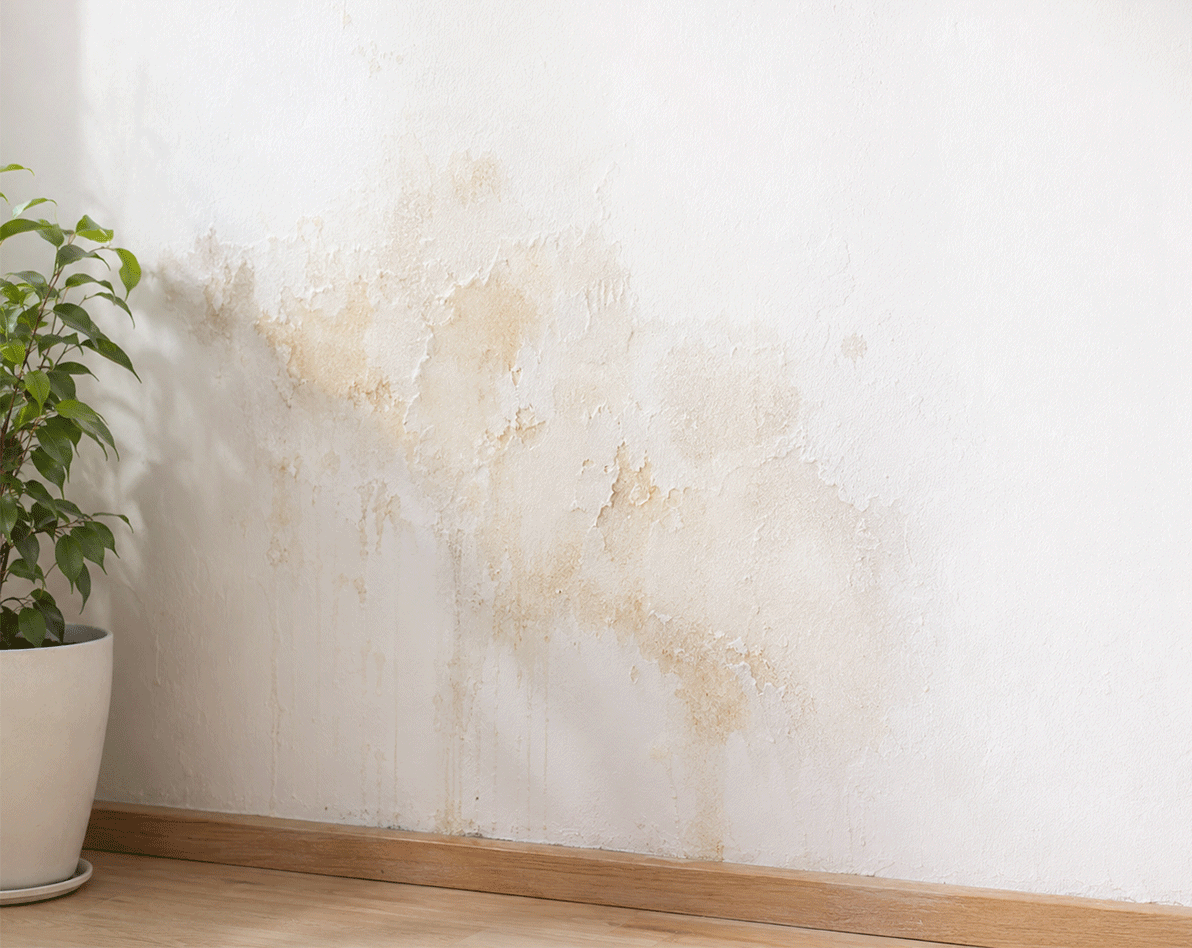
One of the most easily recognizable early signs of a leak is the appearance of brownish or pale yellow spots on the surface of ceilings or walls. These spots usually appear or enlarge after heavy rain, indicating that water has successfully penetrated the protective layer and seeped into the building structure. Do not wait for the stain to spread because the sooner it is handled, the less damage needs to be repaired.
2. Bubbling or Peeling Paint
Wall paint that suddenly bubbles, cracks, or peels for no apparent reason is a sign that moisture is trapped behind the paint layer. This condition occurs when water seeps in from the outside and pushes the paint layer from the inside. If left unchecked, the paint will continue to peel more extensively, and the wall surface behind it can start to mold.
3. Unusual Musty Odor
A persistent musty or damp odor inside a room, even though windows and doors have been opened, is a signal that excess moisture is trapped inside the walls or ceiling. This odor often appears early before visual damage is seen, making it a very useful early warning if not ignored.
4. Hairline Cracks on the Concrete Flat Roof Surface

Hairline cracks on the surface of a concrete flat roof are a sign that is often considered trivial, yet they can actually be the source of a serious leak. Even the smallest gaps on a concrete roof can absorb and hold rainwater, especially when rainfall is intense and water pools on the roof surface for a long time. Over time, constant water pressure will widen the cracks and significantly worsen the leak.
Anti-Leak Paint Solutions for Every Area
For concrete flat roofs, use an elastic anti-leak coating paint capable of perfectly sealing hairline cracks. For bathroom walls, choose paint that is waterproof as well as highly resistant to moisture.
Meanwhile, for gutters and joints, apply an anti-leak paint with strong adhesion to various materials such as zinc, asbestos, and concrete so the protective layer blends perfectly in every corner.
Tips for Applying Anti-Leak Paint for Maximum Results
1. Clean the Surface Thoroughly Before Painting
The preparation step is the main determinant of a successful anti-leak paint application. Ensure the entire surface to be painted is free from dust, moss, dirt, peeling old paint, as well as oil or other residues. Use a wire brush or scraper to remove moss and paint that is no longer adhering well. Rinse the surface with clean water and let it dry perfectly for at least 24–48 hours after the last rain or after cleaning before the painting process begins. A dirty or damp surface will prevent the anti-leak paint from adhering optimally and reduce the overall effectiveness of its protection.
2. Apply the First Coat as a Primer with Slight Thinning
The first coat of anti-leak paint functions as a primer that seeps into the surface pores and creates a strong foundation bond. At this stage, the paint can be slightly thinned according to the product packaging instructions to make it easier to absorb, especially on porous concrete or plaster materials. Apply evenly using a brush or roller. Ensure no areas are missed, especially in corners, joints, and areas around pipes or drains.
3. Continue with the Next Coats Without Thinner [H3]
After the first coat has completely dried according to the time specified on the packaging, proceed with the second coat and, if necessary, a third coat, without adding thinner. These subsequent coats are what build the actual waterproof membrane thickness. Paint applied thicker will form a denser, more elastic film layer that is more capable of withstanding water pressure from the outside. Ensure each coat dries perfectly before the next one is applied to guarantee maximum and longer-lasting protection results.
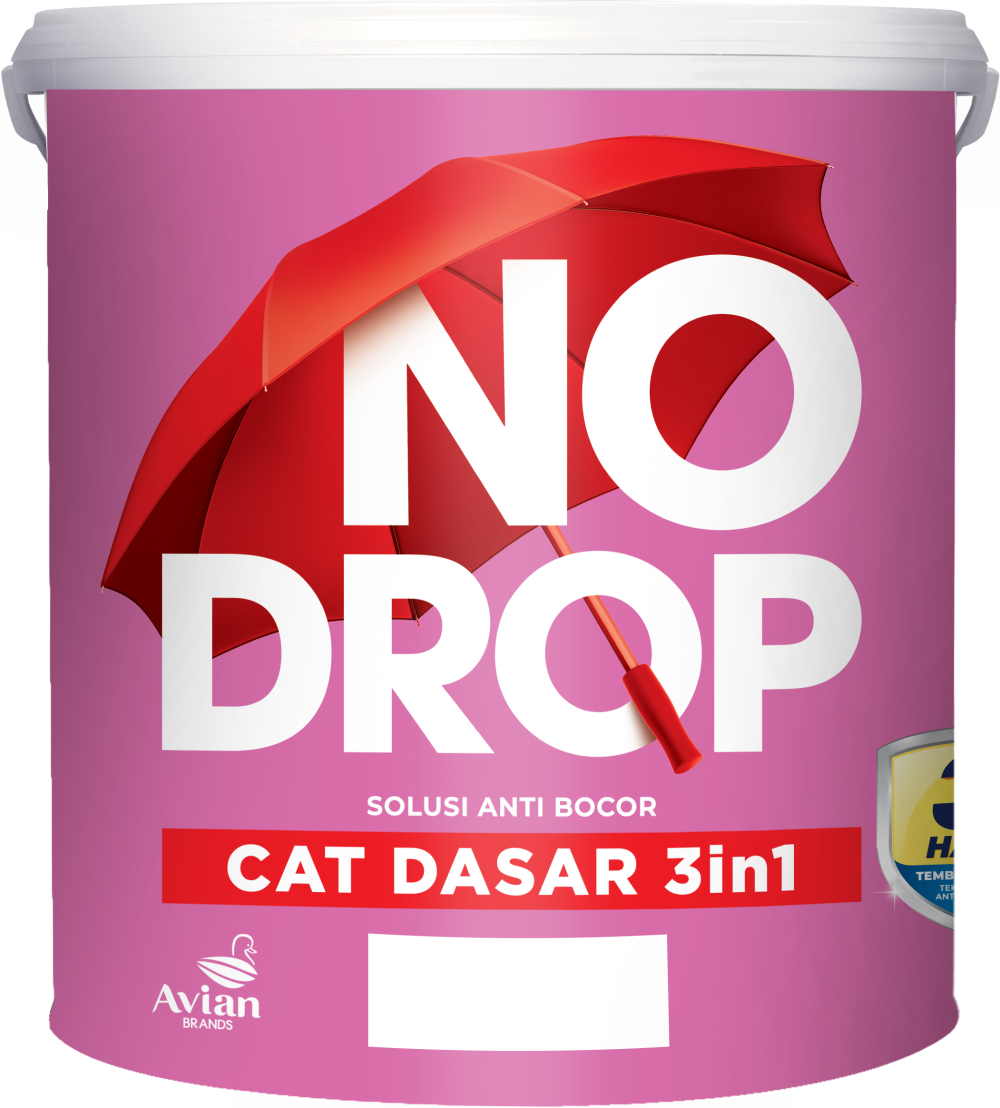
No Drop, the No.1 Anti-Leak Coating Paint in Indonesia
No Drop is an anti-leak coating paint that is elastic, waterproof, and highly resistant to all weather conditions, suitable for application on bathroom walls, exterior walls, zinc, asbestos, gutters, and concrete roofs.
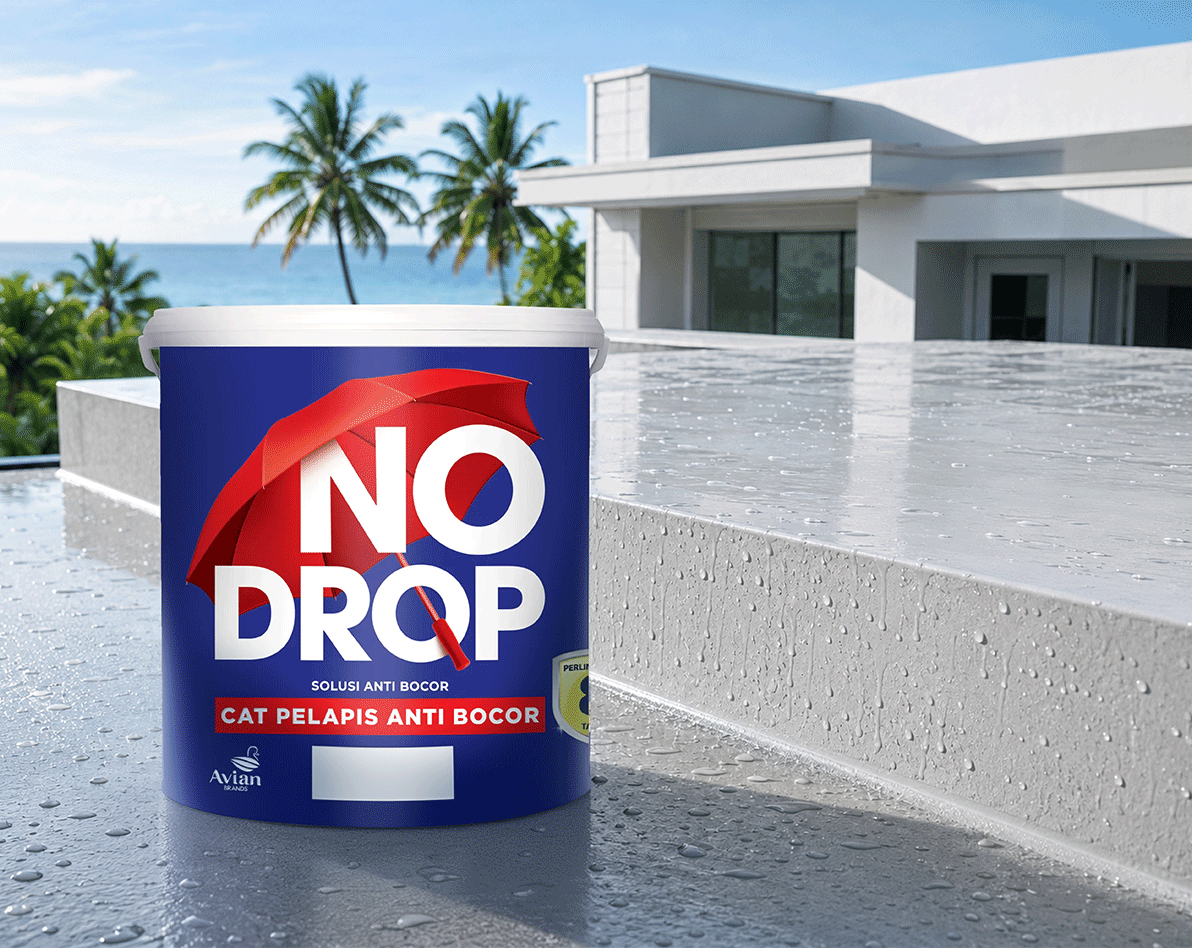
Advantages of No Drop from Avian Brands:
-
Elastic and capable of sealing hairline cracks perfectly.
-
Waterproof and highly resistant to all weather.
-
Can be applied to concrete, walls, zinc, asbestos, and terracotta.
-
Available in hundreds of color choices so it remains aesthetic.
-
Suitable for both exterior and interior areas.
With No Drop, every leak-prone area in your home can be thoroughly protected so renovations do not need to be repeated constantly.