

























Hairline cracks on walls are a problem that almost every homeowner has likely encountered. Fine cracks may seem trivial, but if left untreated they can trigger bigger problems on the wall surface.
Many people assume that hairline cracks are the same as dangerous structural cracks, even though the two differ both in cause and in how they are handled. Understanding this difference is important so that the treatment carried out is neither excessive nor inappropriate. The following is an explanation of the causes of hairline cracks on walls, the dangers if left untreated, and how to address them before repainting.
What Are Hairline Cracks on Walls?
Hairline cracks are very thin cracks that are usually less than 1 mm in size and appear on the wall surface. Their shape can be a fine elongated line, branching, or forming a net-like pattern. Because they are very small, these cracks are often only visible after the wall surface is observed more closely, especially when exposed to light from a certain direction.
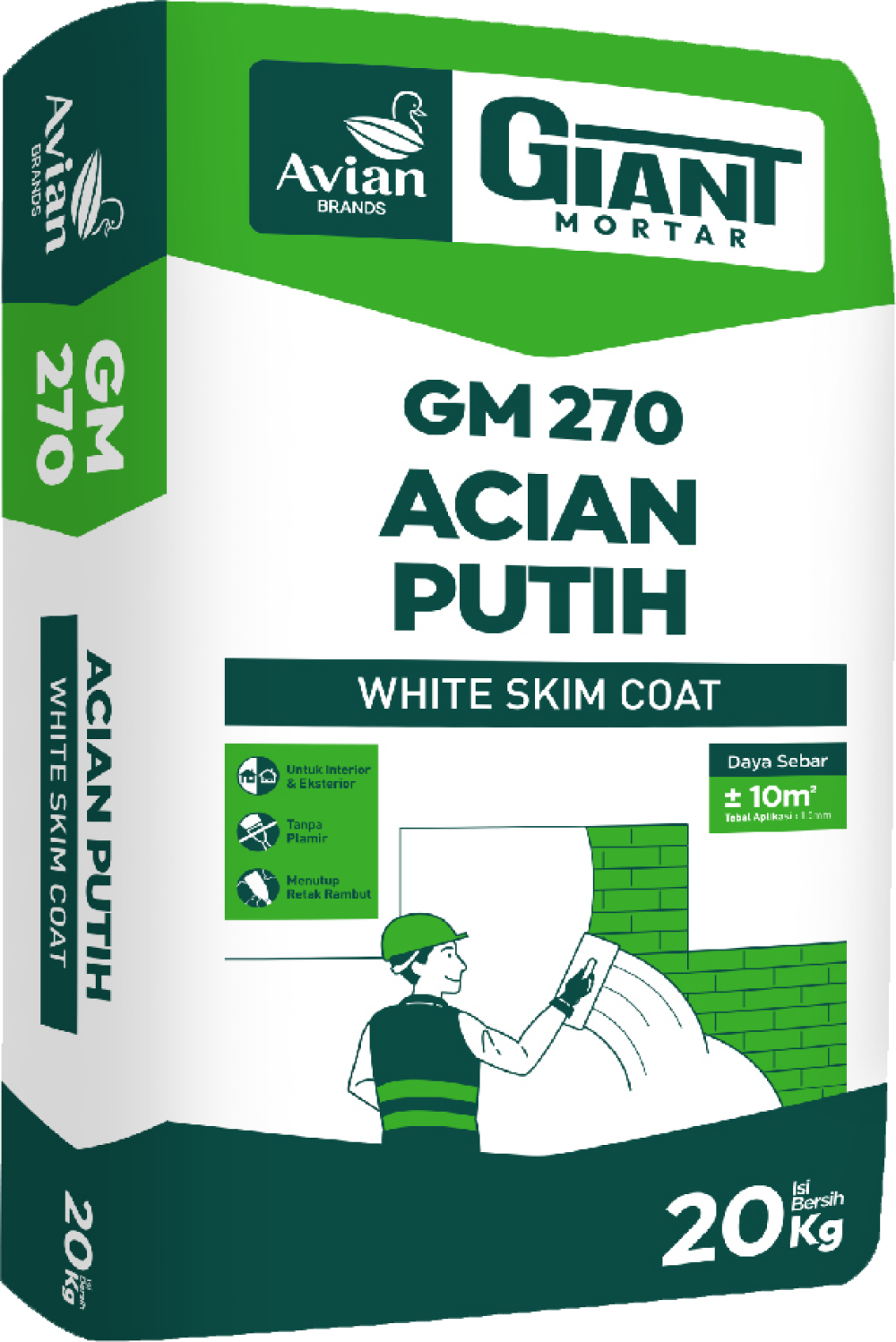
Generally, hairline cracks only occur in the surface layer, such as the plaster or skim coat, and do not directly indicate damage to the building structure. This condition differs from structural cracks that can penetrate deeper parts of the building. Hairline cracks can also be related to the shrinkage process in the plaster or skim coat layer, especially if the application process is not done properly.
Although they appear minor, hairline cracks still need attention before repainting. If the cracked surface is directly covered with paint without repairing the problematic area, the crack lines can reappear after painting. Therefore, it is important to identify the type of crack first so that the repair carried out matches the condition of the wall surface.
Main Causes of Hairline Cracks
Hairline cracks on walls are not always caused by a single thing. Surface conditions, the application process, and environmental changes around the building can influence the appearance of cracks. Some fairly common causes include temperature changes, skim coat shrinkage, plaster quality, and humidity changes.
1. Temperature Changes (Thermal Cycling)
Repeated temperature changes between day and night cause building materials to expand and contract. When the temperature rises, materials tend to expand, while when the temperature drops, materials tend to contract. This process, which occurs repeatedly, is known as thermal cycling.
If it continues continuously, changes in the size of the material can create pressure on its surface. Under certain conditions, this pressure can trigger the appearance of fine cracks on the wall. Cracks are usually more easily visible on surfaces that have undergone repeated changes over a long period.
2. Skim Coat Shrinkage
Skim coat that dries too quickly can also be one of the causes of hairline cracks. When the drying process is uneven, the skim coat layer can experience different shrinkage in several parts of the surface. This condition can occur, for example, when the work is done in weather that is too hot or when the surface loses moisture too quickly.
As a result, the skim coat layer can experience tension during the drying process and form fine cracks. Therefore, the skim coating and drying process needs to be carried out with attention to the surface conditions and the environment during the work.
3. Plaster Quality
The condition of the plaster layer also affects the durability of the wall surface. An unsuitable material mixture, an improper composition, or a poor application process can make the plaster layer more prone to changes and cracking over time.
Cracks in the plaster layer can then become visible on the surface after skim coating and painting. Therefore, checking the condition of the plaster before proceeding to the next stage is important to ensure the surface is good enough and ready to receive the next layer.
4. Humidity Changes
Besides temperature, changes in humidity levels around the building can also affect the condition of the wall surface. A surface that continuously undergoes changes due to damp and dry conditions can experience changes in the material of its surface layer.
If this condition occurs repeatedly, the plaster or skim coat layer can become more susceptible to fine cracks. Therefore, sources of humidity around the surface also need to be considered when hairline cracks appear repeatedly or are difficult to resolve after repair.
Dangers of Leaving Hairline Cracks Untreated
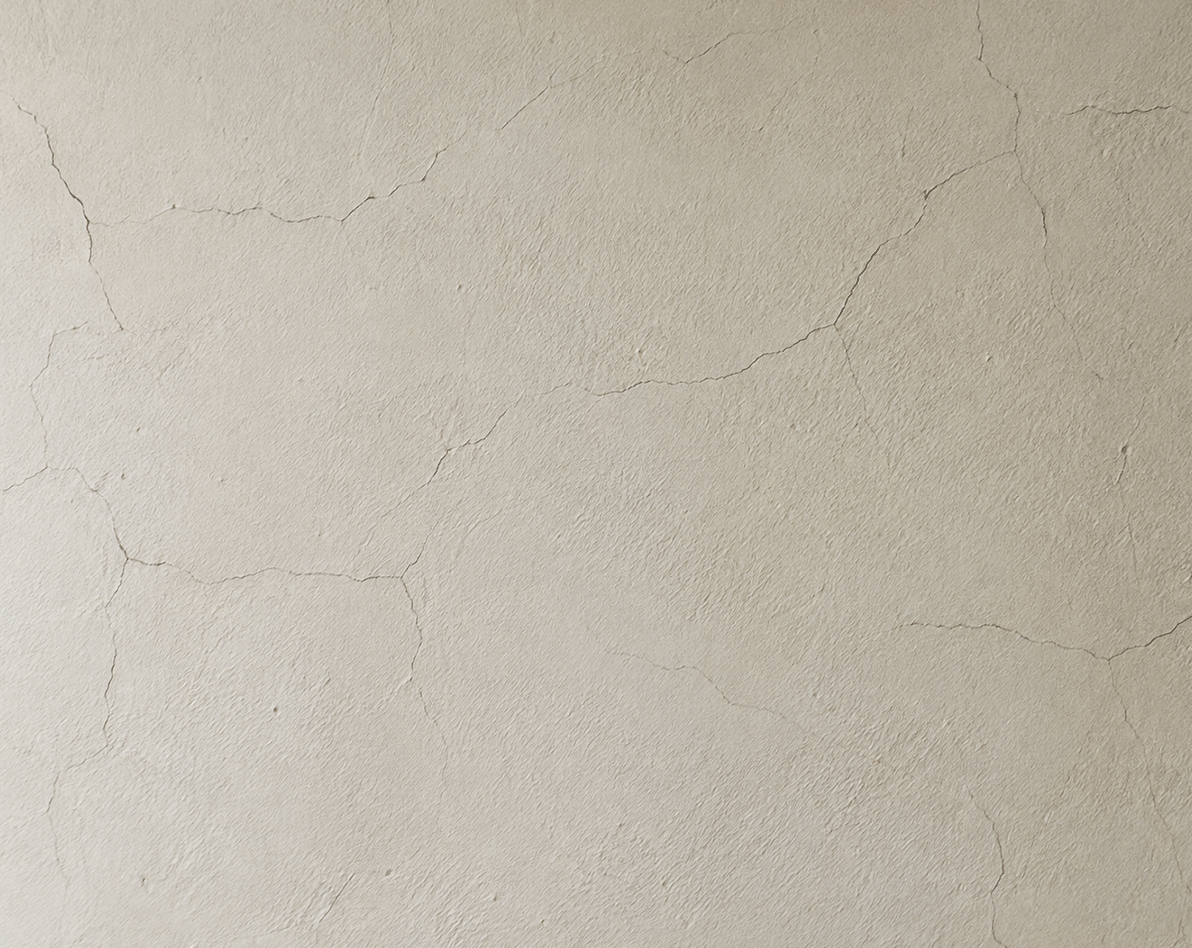
Hairline cracks are indeed small, but that does not mean they can be ignored. On wall surfaces located in outdoor areas or frequently exposed to rain, the gaps in the cracks can become one of the entry paths for water into the layers below the surface. If this condition continues, the moisture that enters can affect the condition of the wall layer and the paint on top of it.
Over time, this condition can cause the paint layer to lose its adhesion and begin to peel or blister. Damp surfaces are also more at risk of mold growth, especially in areas that lack air circulation and sunlight exposure. As a result, a problem that initially was only a thin line on the surface can develop into more visible damage.
How to Address Hairline Cracks Before Painting
1. Clean the Cracked Area
Clean the cracked part of the wall of dust, dirt, or surface parts that have come loose. Make sure the area is clean enough before patching is carried out.
2. Fill the Cracks
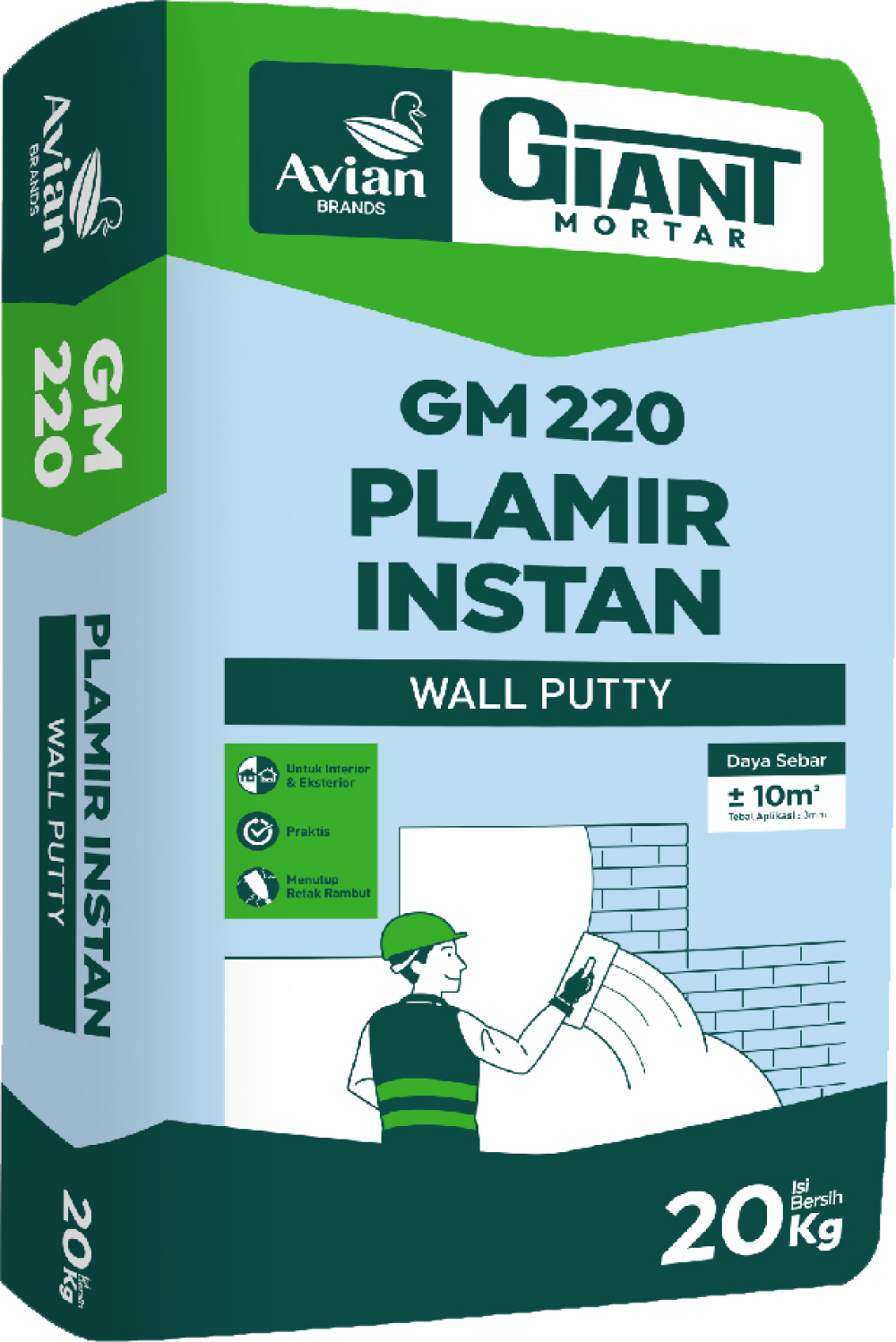
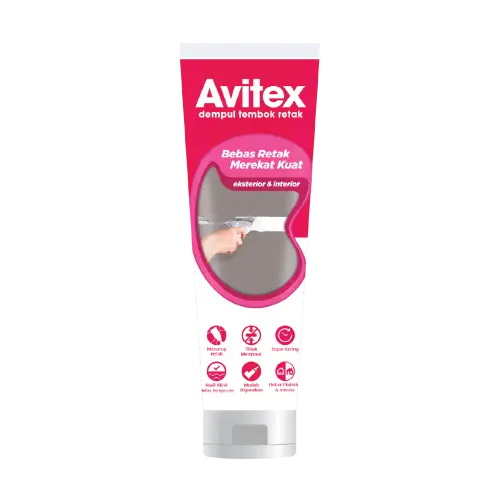
Fill the hairline cracks using wall filler or a suitable patching material. Smooth the material until it blends with the surrounding wall surface so that no protruding parts are left.
3. Wait Until Dry
Let the patched area dry completely according to the instructions on the product used. Do not immediately sand or paint a surface that is still wet.
4. Sand Until Even
After the patch is dry, sand the area slowly until the surface is smooth and level with the surrounding wall. Clean off the sanding dust again before proceeding to the painting stage.
5. Choose the Right Paint
Once the surface is ready, use a paint that suits the condition and needs of the wall. Paint with good hiding power can help produce a more even color while disguising small imperfections on the surface.
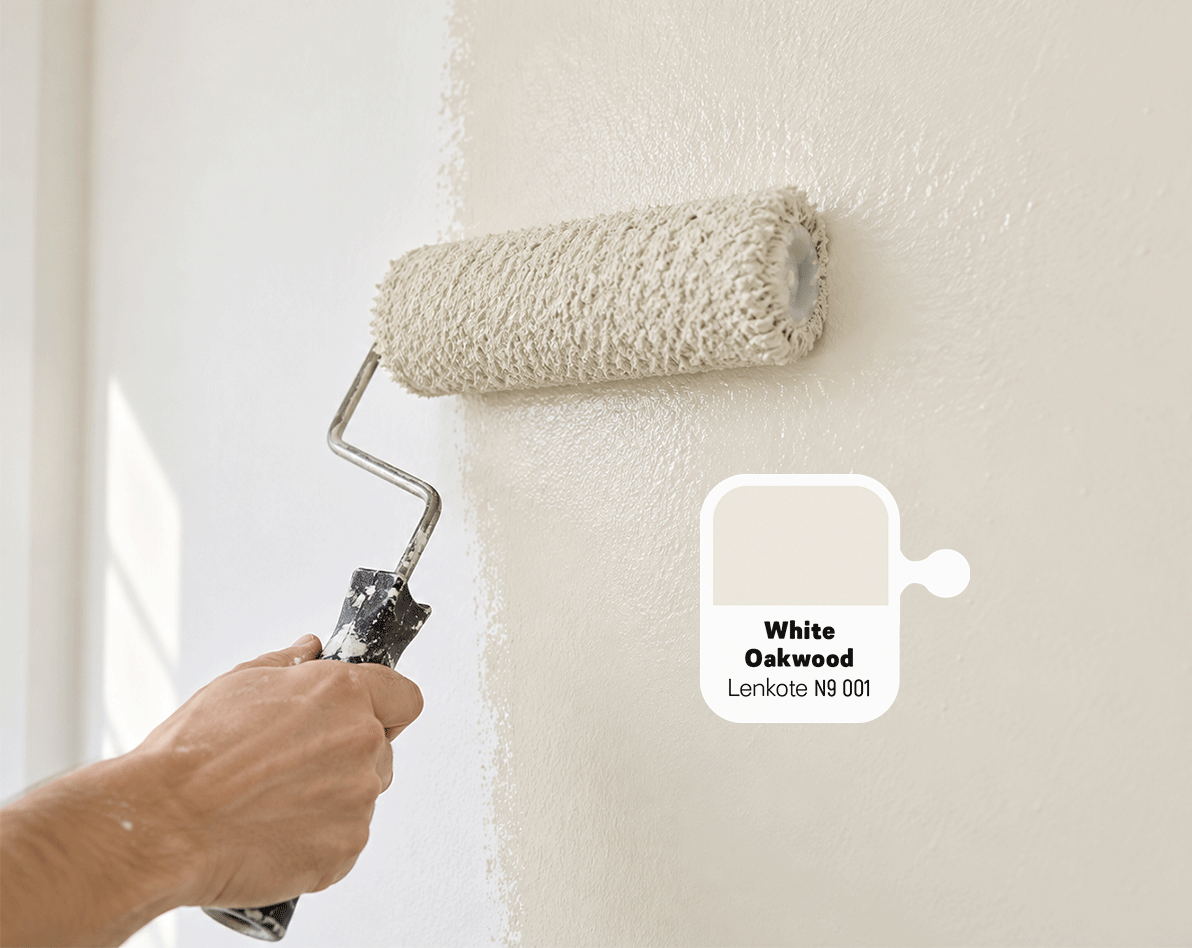
Keep in mind that paint should not be used to merely cover hairline cracks without repairing the surface first. Proper crack treatment and surface preparation will help produce a neater and more even paint job.
Avitex Gold, the Wall Paint Solution for Covering Imperfections
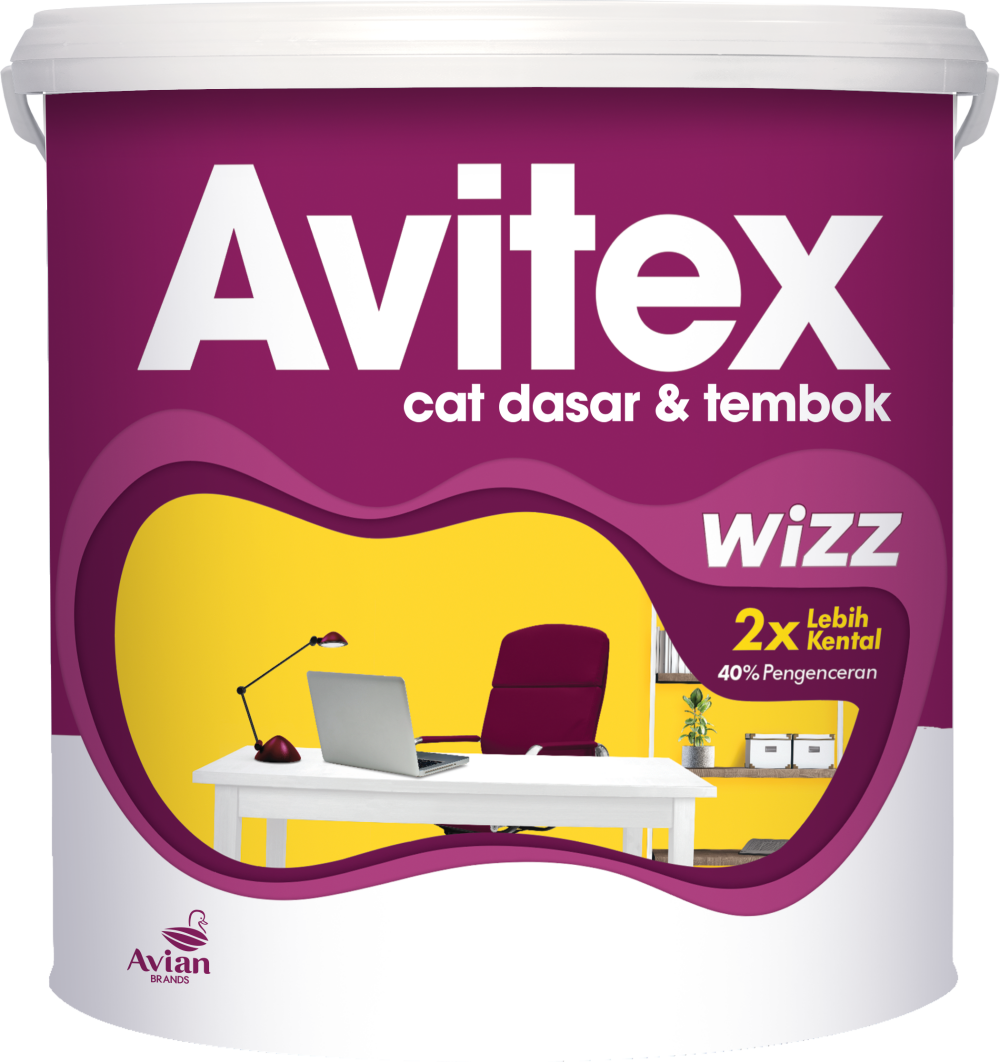
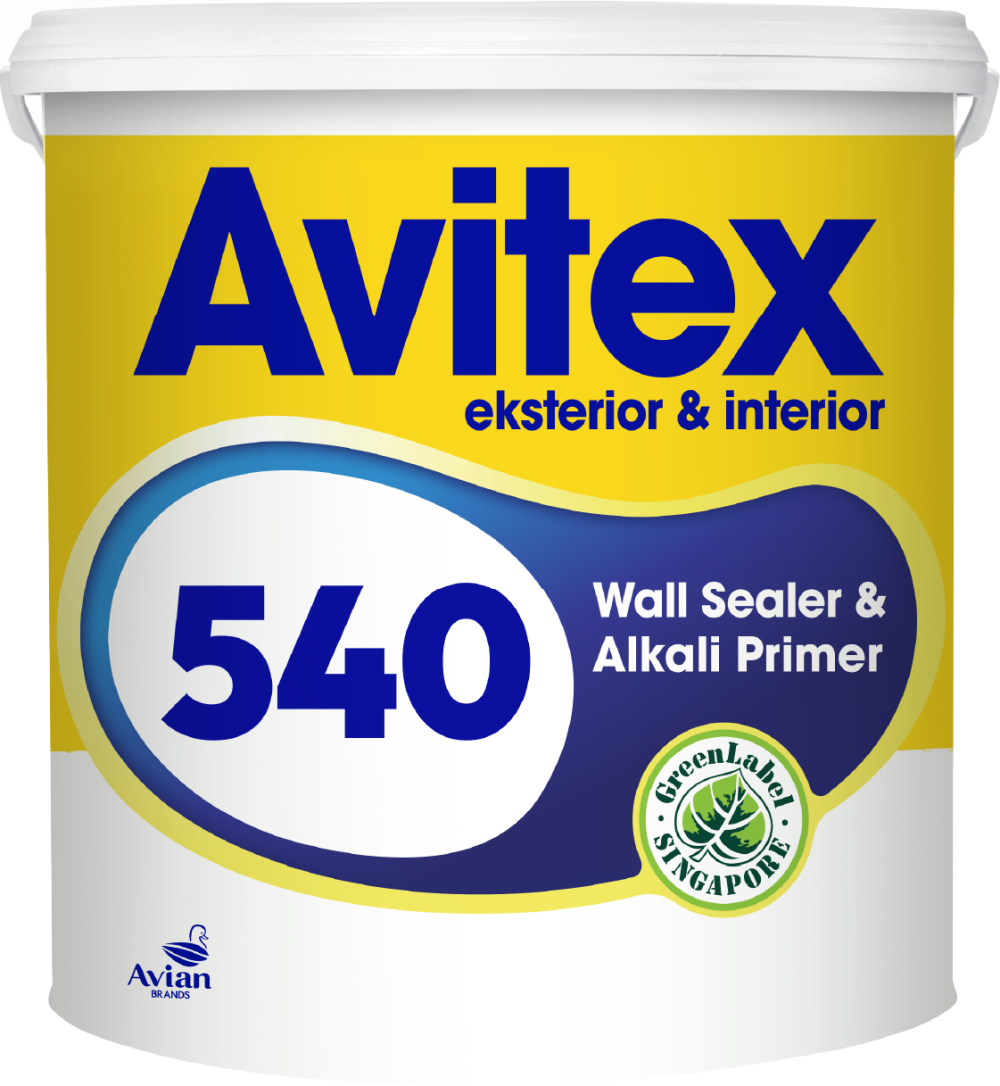
After the cracks are patched, choosing the right wall paint helps disguise the remaining imperfections on the surface. Avitex Gold comes with good hiding power to help cover patch marks and produce a more even wall surface.
Advantages of Avitex Gold from Avian Brands:
-
Best Hiding Power: Able to cover the wall surface perfectly and evenly with a thick and rich color layer.
-
Smooth and Luxurious Finish: Produces a wall surface that is smooth, matt, and looks elegant when exposed to light.
-
Long-Lasting and Fade-Resistant Color: Uses high-quality selected color pigments that keep the beauty of exterior and interior walls bright and not easily dull.
-
Multifunctional for Exterior and Interior: Very flexible for application on both the outer and inner walls of your home.
-
Free of Hazardous Materials: Formulated without added mercury and lead, making it safe for the health of the whole family and environmentally friendly.
-
Easy to Apply and Fast Drying: Makes the home painting process easier with efficient coverage and fast drying time.
Hairline cracks on walls are indeed different from structural cracks, but they still need to be addressed early so they do not become water entry paths and worsen the damage. Repair the surface properly, then use a quality wall paint like Avitex Gold for a neat and long-lasting final result.